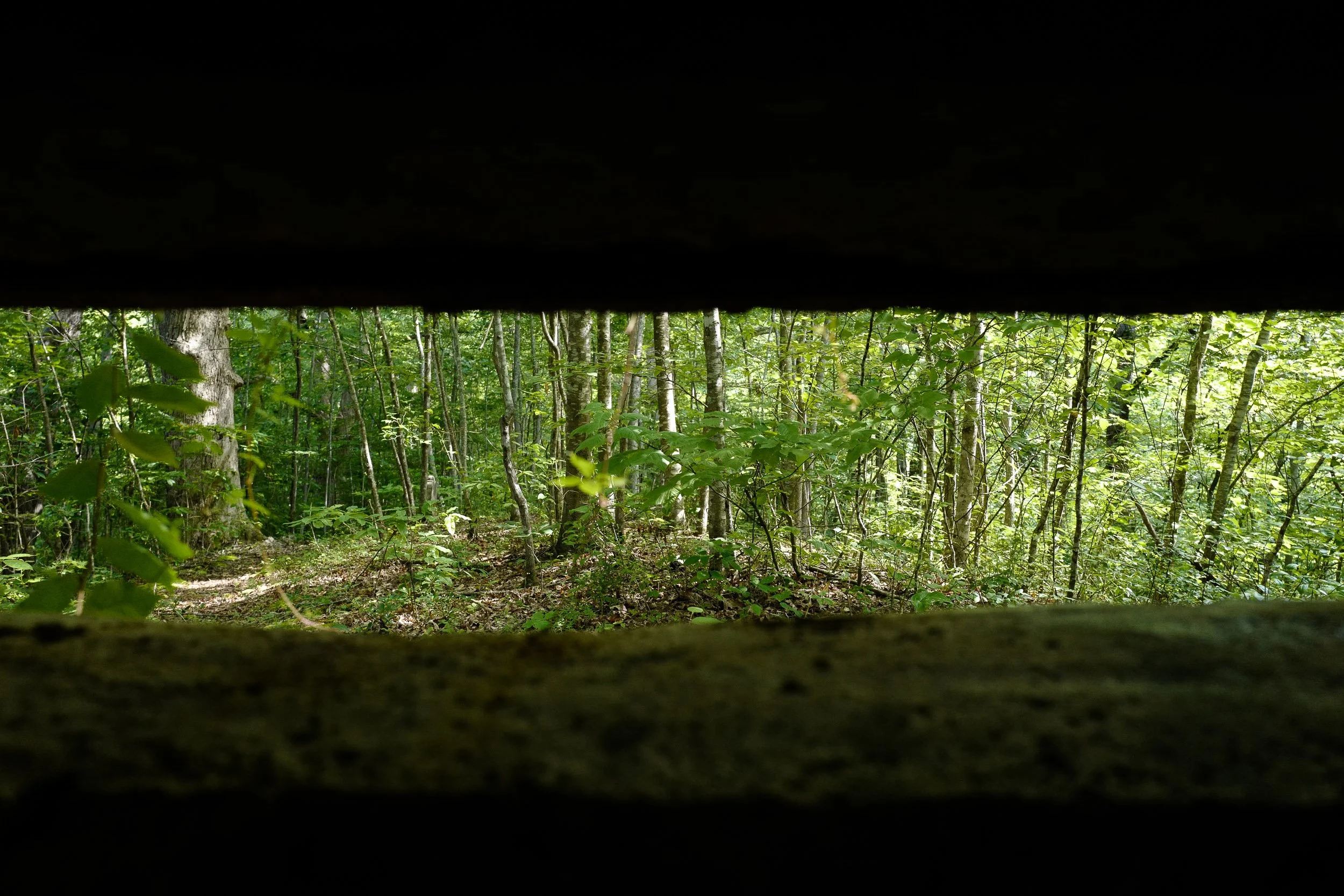
Labor Memory Project:
Preservation and Neglect of Our Labor History
2022-present
This ongoing project explores both publicly remembered and untold history of the American labor movement. The following is a selection of photographs from documented sites across 45 states accompanied by a brief project summary.
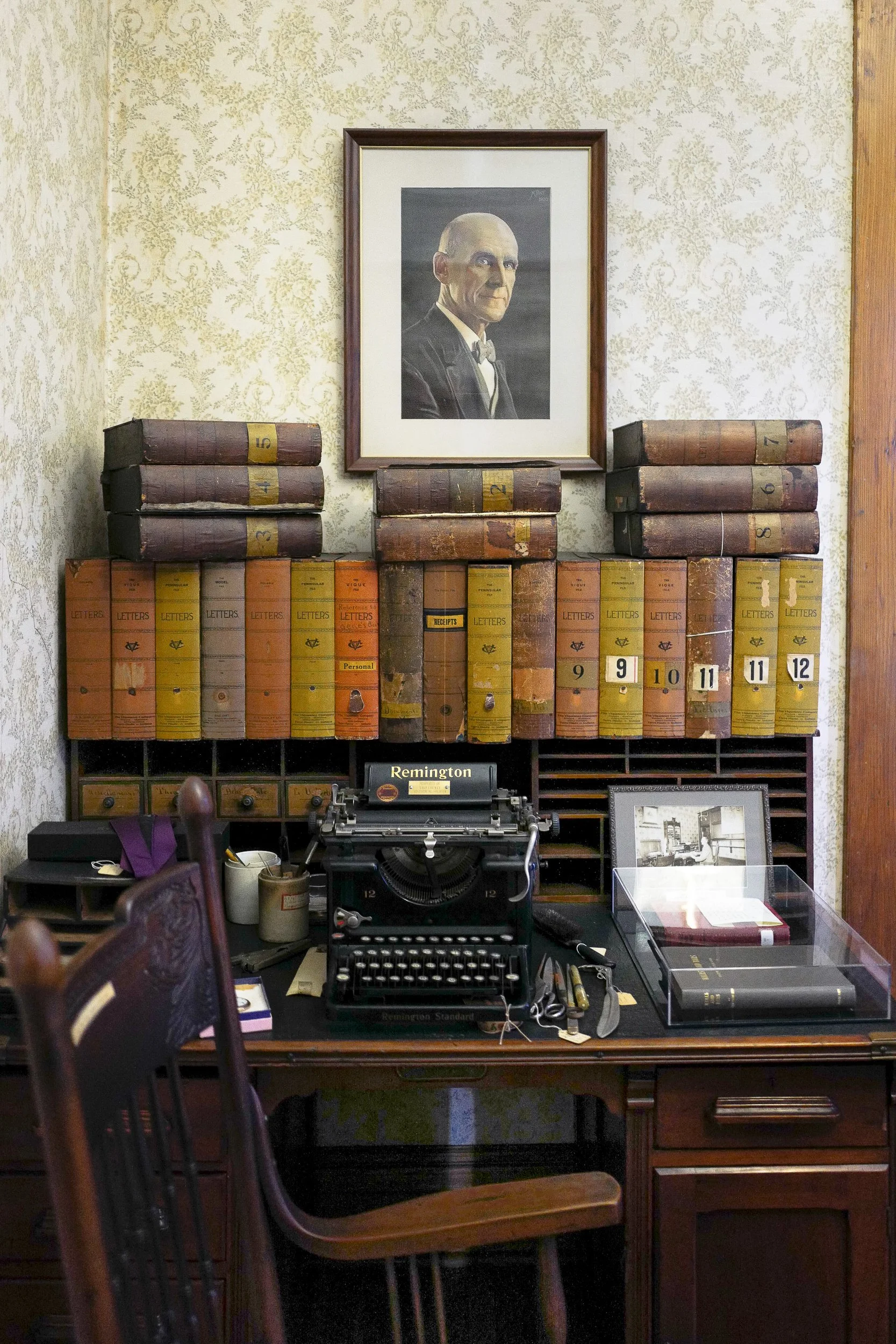
Eugene Victor Debs—Debs' office desk at the Eugene V. Debs Museum. Leader of the 1894 Pullman Strike and five time presidential candidate for the Socialist Party, including his final run in 1920 from prison after being politically persecuted under the WWI era Espionage Act. (Terra Haute, IN)
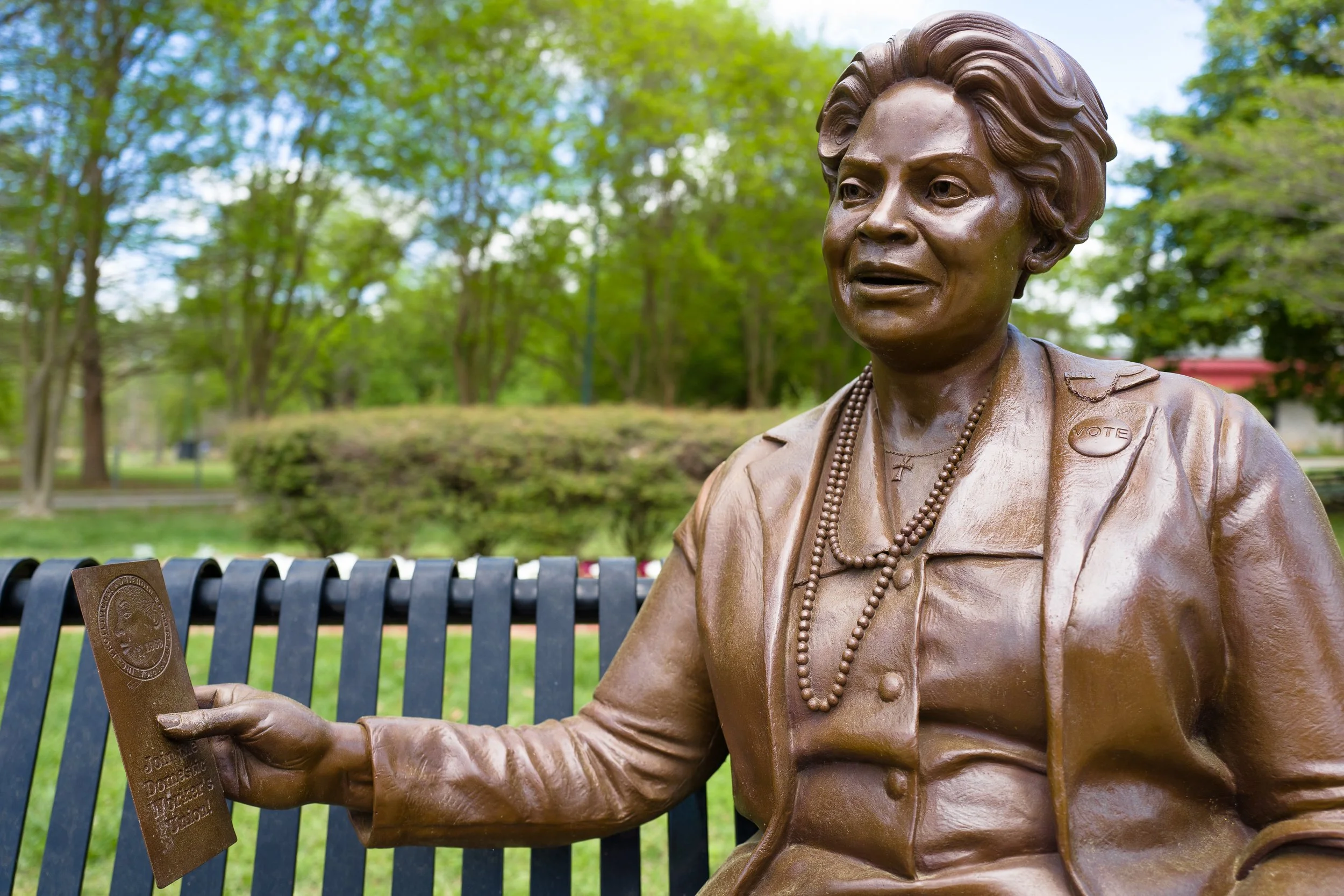
Dorothy Lee Bolden—Sculpture on MLK Jr. Drive in Atlanta. In 1968, Bolden founded the National Domestic Workers Union, improving pay and conditions for those who were considered “unorganizable” by mainstream labor. (Atlanta, GA)
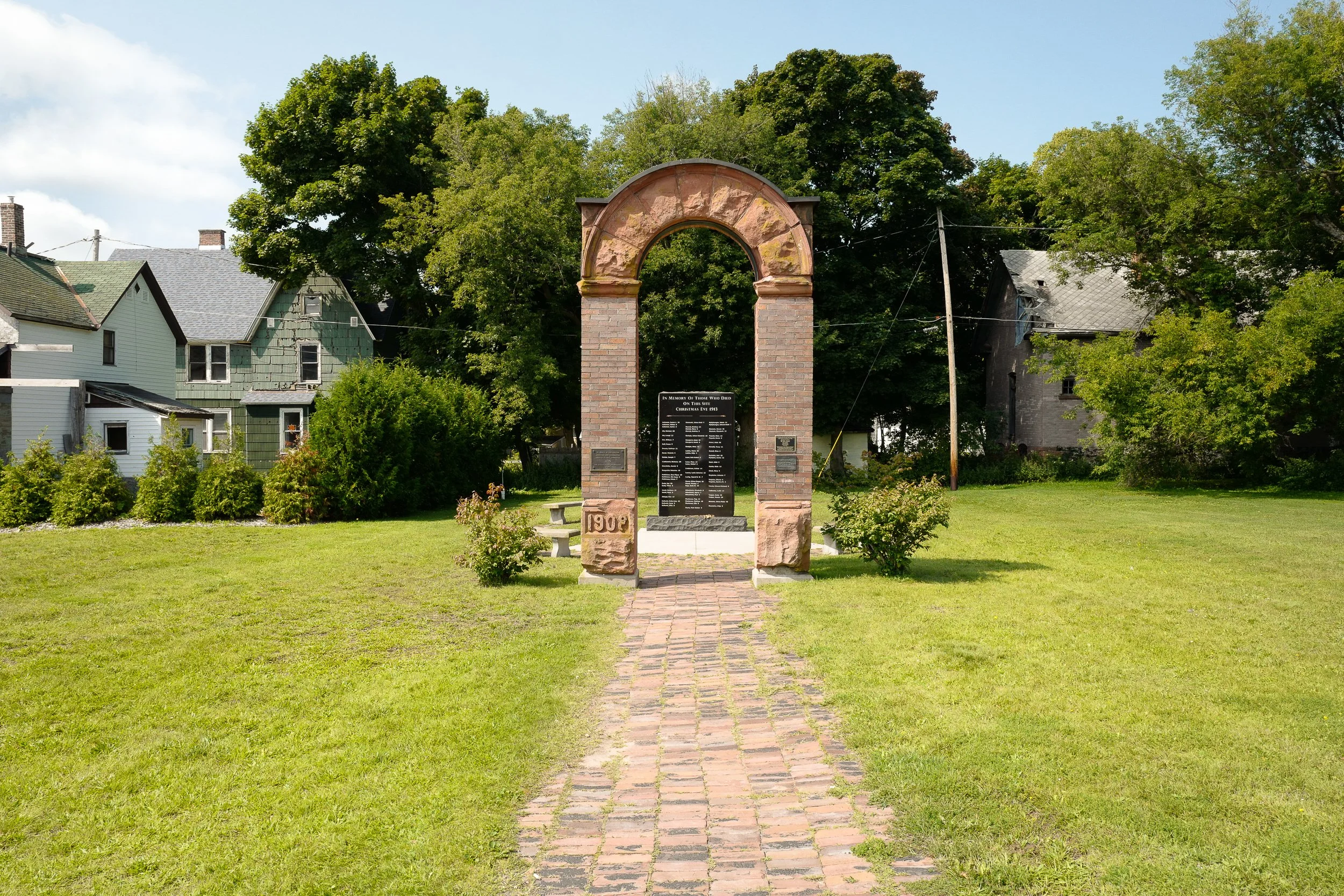
1913 Italian Hall Disaster—Reconstructed entrance arch at Italian Hall Memorial Park. In 1913, 73 people—59 of them children—were killed in a stampede at a striking miners’ Christmas party after an anti-union agent falsely cried “Fire!” (Calumet, MI)
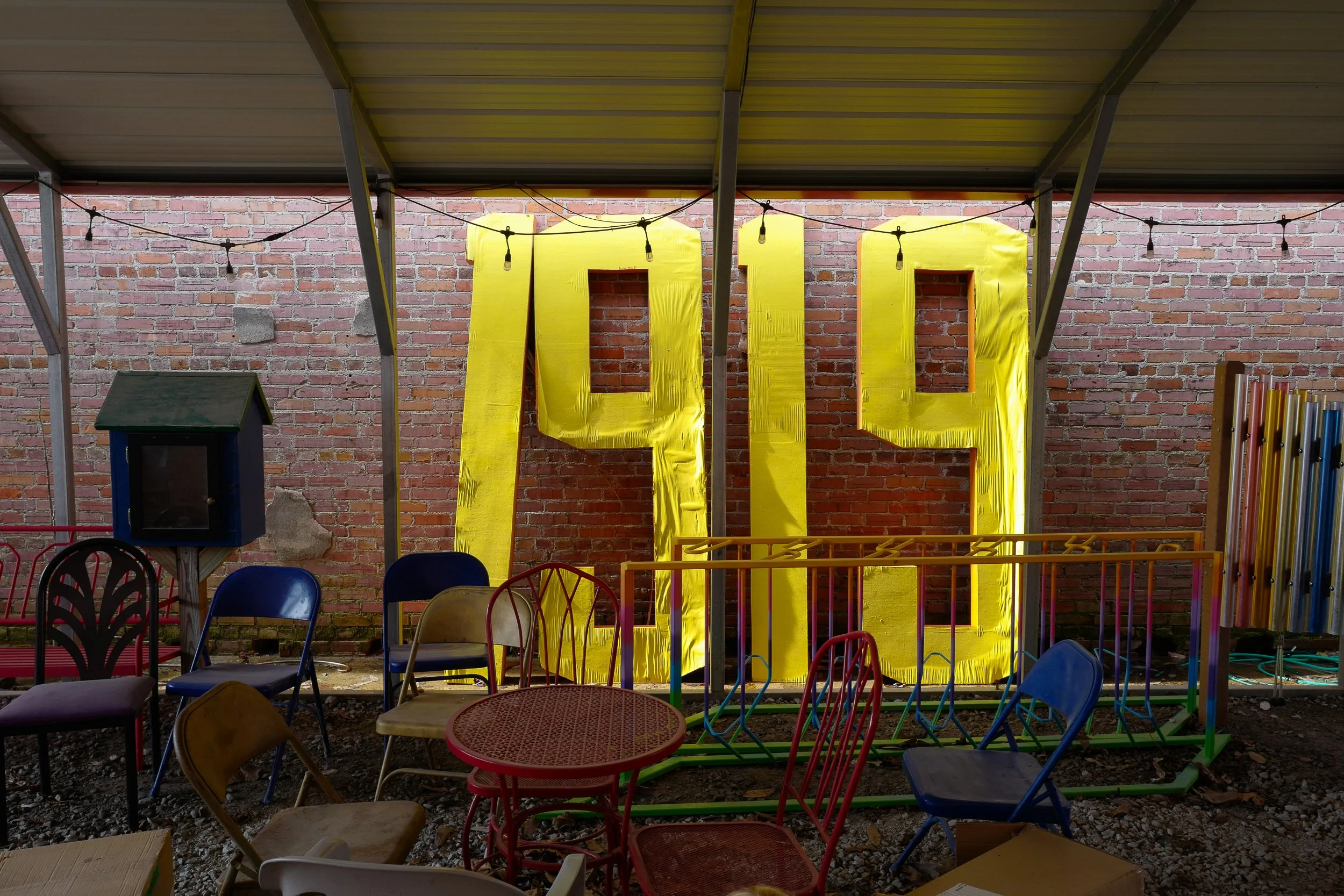
1919 Elaine Massacre—Wall at Elaine’s Turning Point Park. In 1919, 100–200 Black sharecroppers and family members were killed by an armed posse after organizing with the Progressive Farmers and Household Union of America to demand better conditions. (Elaine, AR)
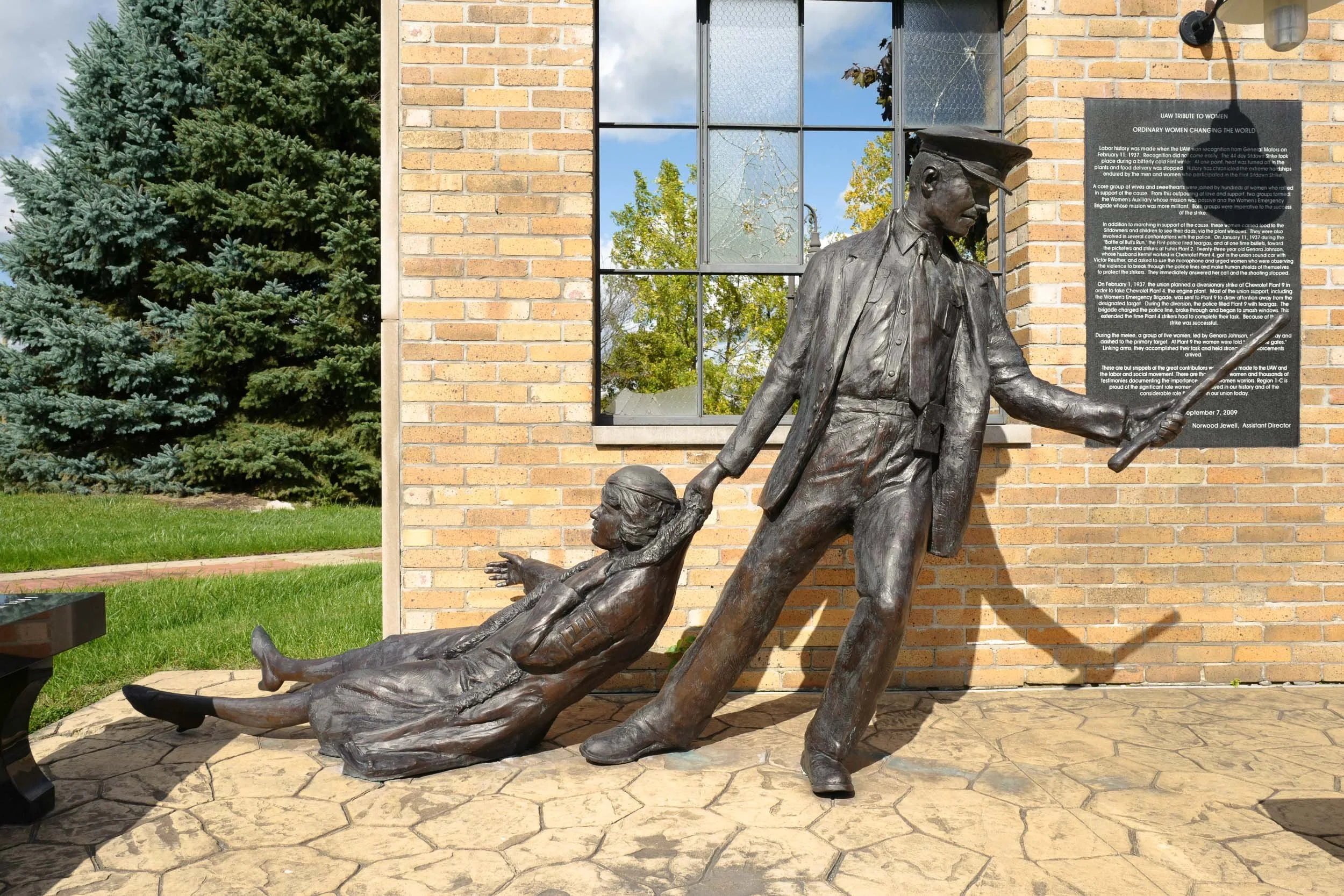
1936-1937 Flint Sit-Down Strike—Sculpture at Sitdowners Memorial Park depicting an officer dragging a member of the Women's Emergency Brigade. During the historic 44-day Flint sit-down strike, members of the United Auto Workers occupied Fisher Body Plant No. 1, demanding that General Motors recognize their union rights under the National Labor Relations Act. (Flint, MI)
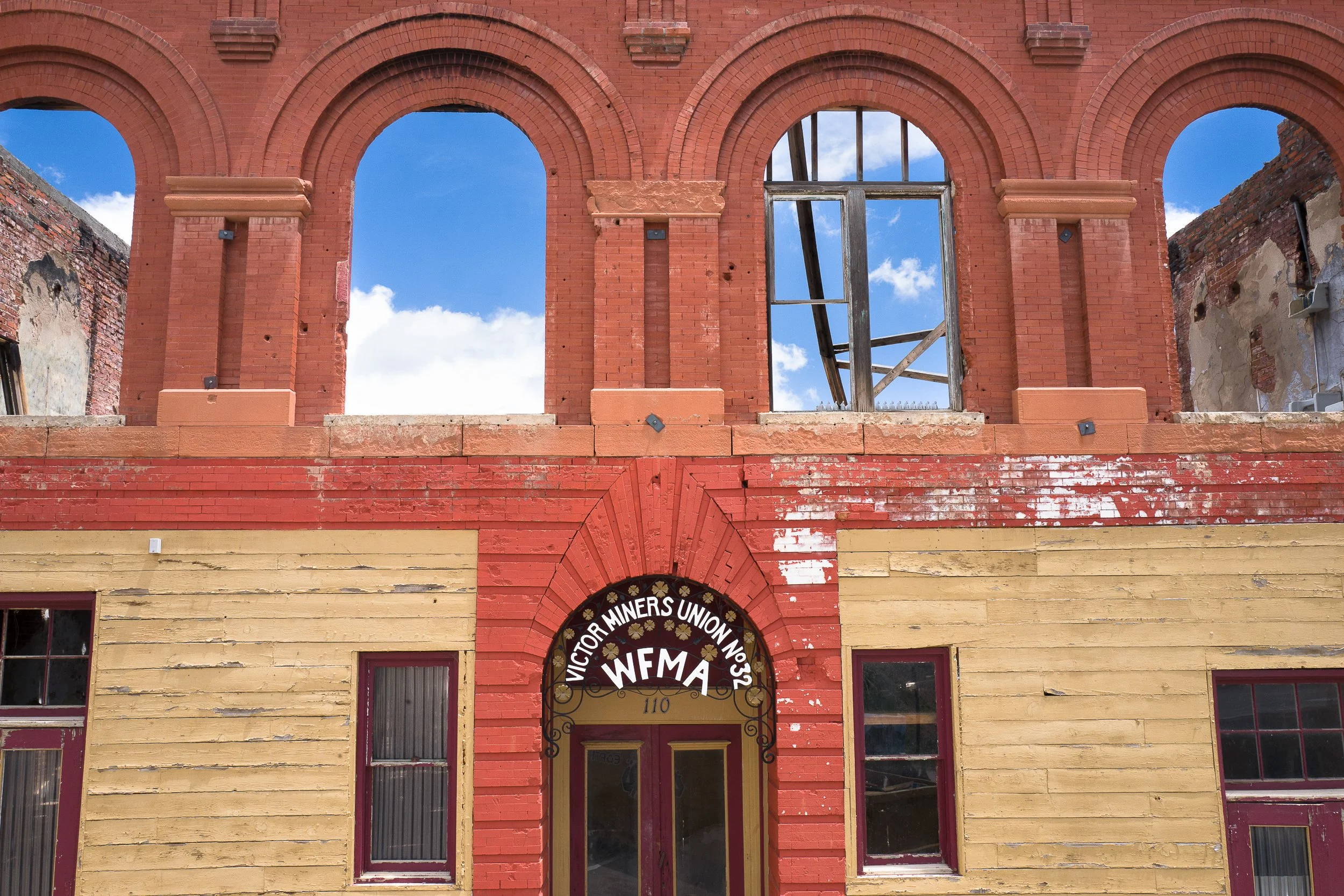
1903-1904 Colorado Labor Wars— Façade of the abandoned Western Federation of Miners Union Hall, still scarred by bullet holes from a 1904 attack by the mine operator-backed Citizens’ Alliance. The following mob rule would result in the mayor's resignation under threat of lynching and the forced expulsion of union members to Kansas. (Victor, CO)
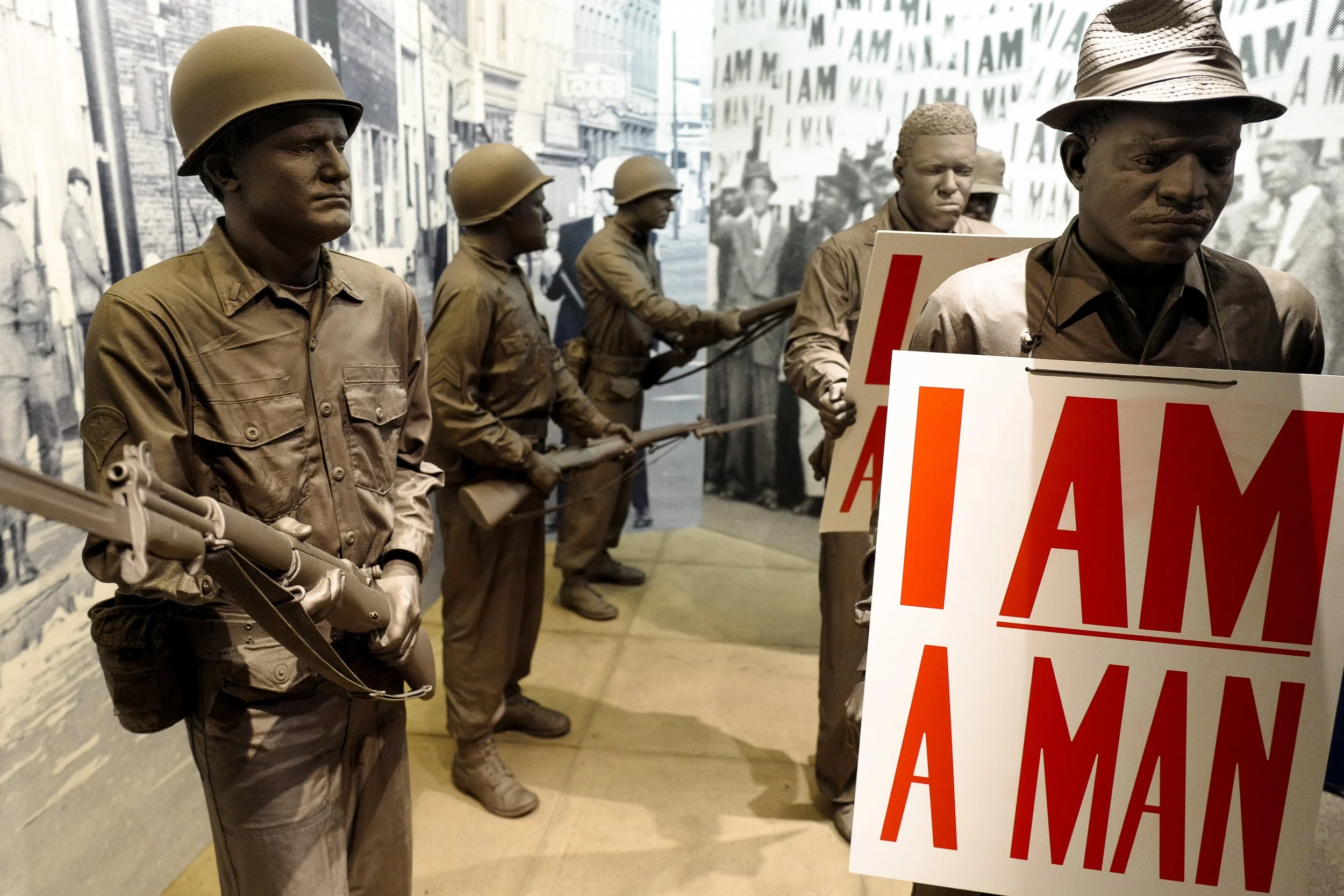
1968 Memphis Sanitation Strike— Exhibit at the National Civil Rights Museum depicting sanitation workers picketing before National Guard troops. Dr. Martin Luther King Jr. was assassinated during his visit to support these striking workers.(Memphis, TN)

1934 General Textile Strike—Bullet-riddled headstone from the Saylesville Massacre. The massive strike of 400,000 workers from Maine to Alabama resulted in approximately twenty deaths, including the two lives taken when Moshassuck Cemetery became a battleground. (Central Falls, RI)
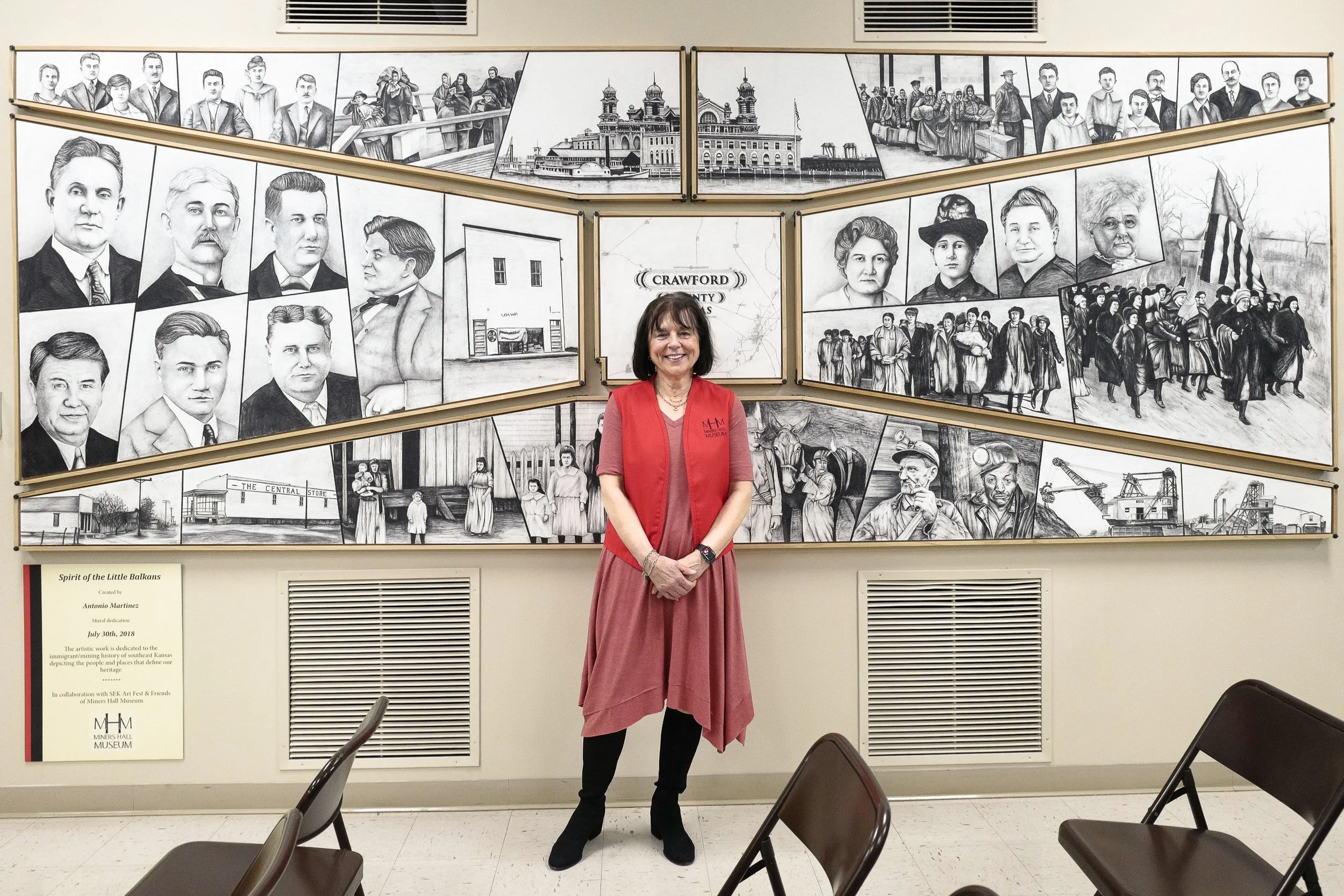
1921 Amazon Army—Linda O’Nelio Knoll before the ‘Spirit of Little Balkans’ mural at the Miners Hall Museum. In Southeast Kansas, 2,000–6,000 women marched to protest unfair labor practices, poor pay and dangerous working conditions, shutting down coal operations in support of locally striking United Mine Workers. (Franklin, KS)
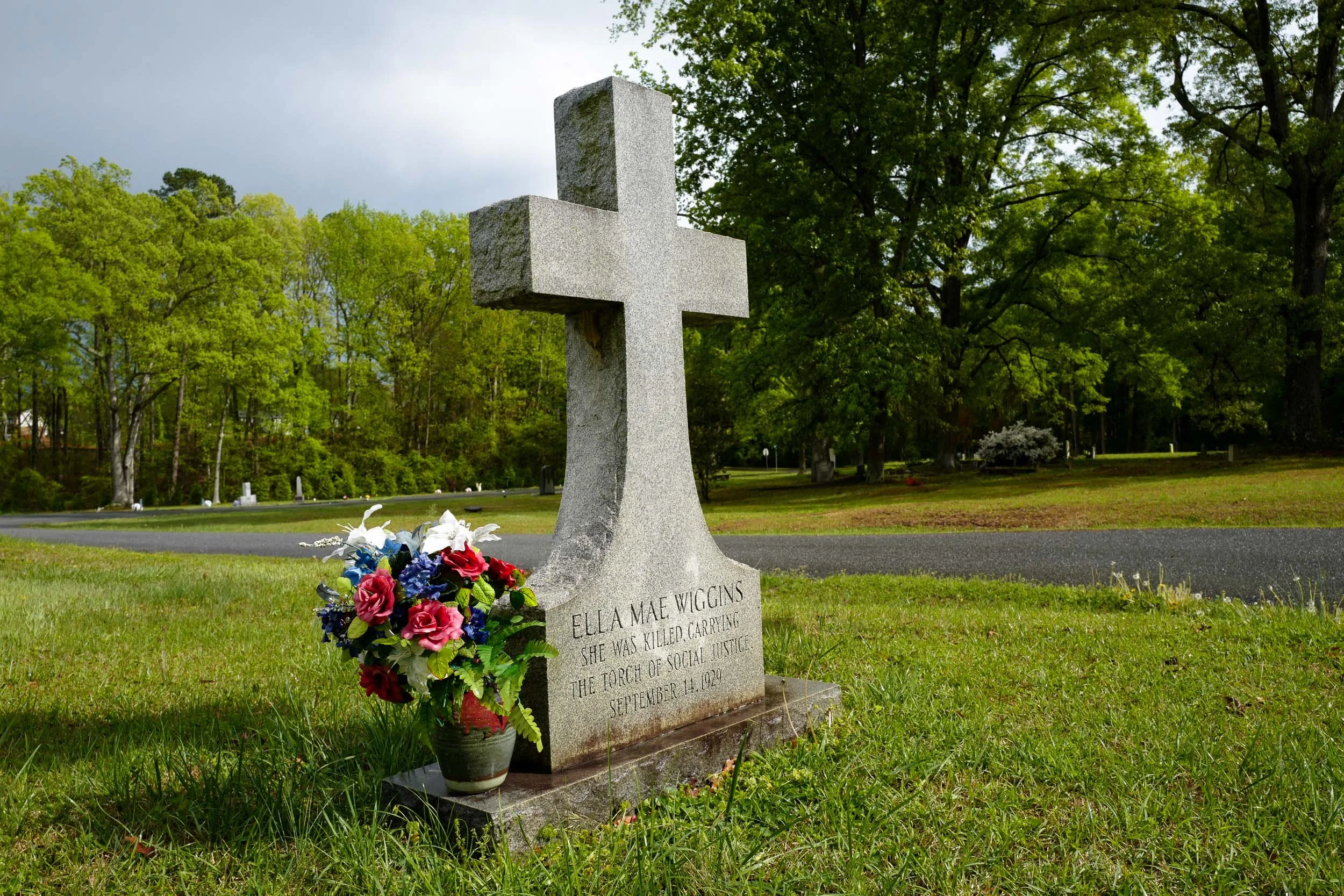
1929 Loray Mill Strike—Headstone of slain strike balladeer Ella Mae Wiggins: “SHE WAS KILLED, CARRYING THE TORCH OF SOCIAL JUSTICE.” The pregnant single mother who was murdered during Gastonia's infamous strike, leaving five children orphaned, was a spirited organizer for the National Textile Workers Union. (Bessemer City, NC)

1919 Centralia Tragedy— Detail from Mike Alewitz's mural "The Resurrection of Wesley Everest." Everest, a Wobbly and WWI veteran, was lynched after International Workers of the World members defended their hall from an American Legion attack. (Centralia, WA)
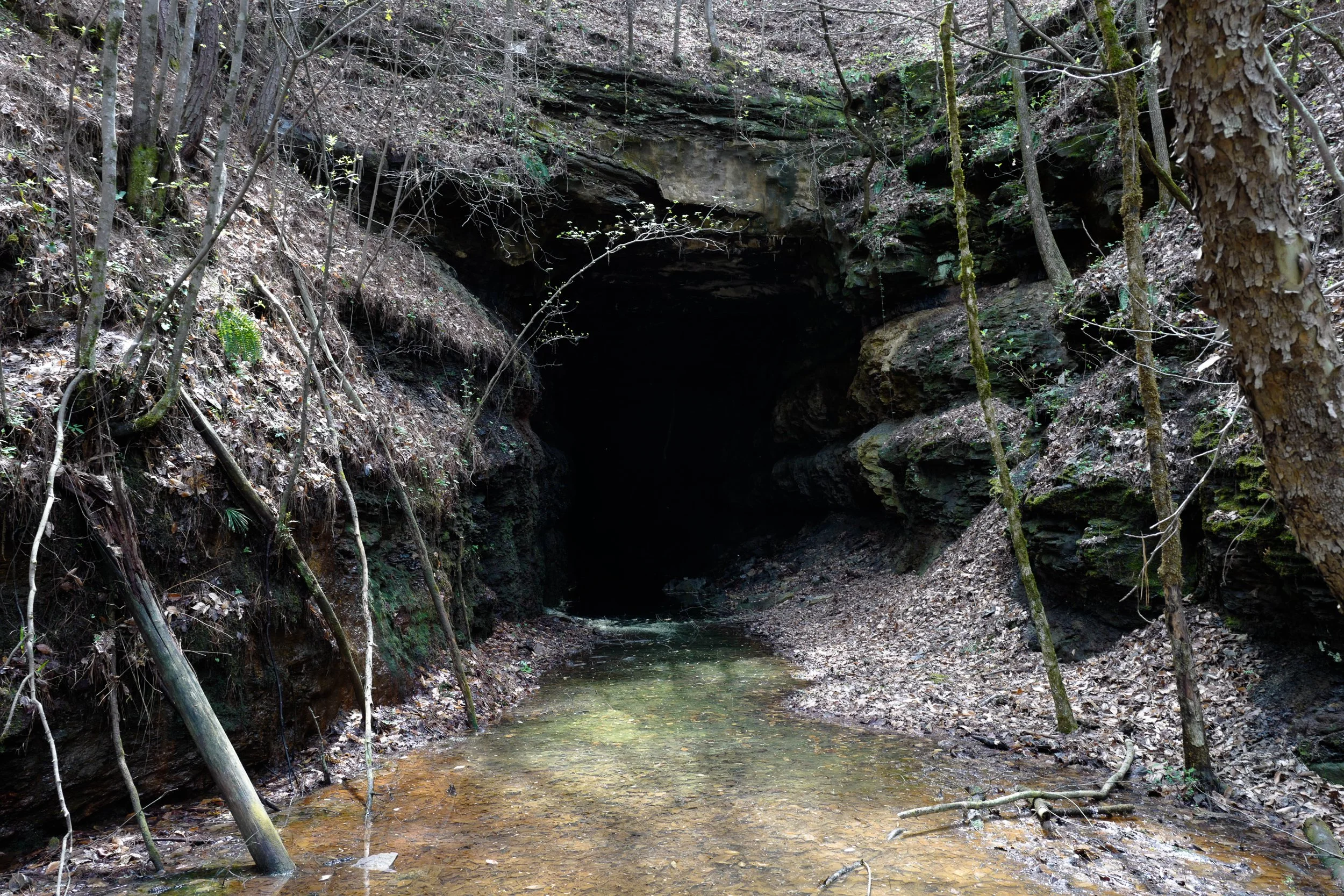
1908 Birmingham District Coal Strike—Entrance of the abandoned Jefferson Tunnel, site of a gun battle where an interracial contingent of United Mine Workers repelled deputies transporting convict labor. (Cardiff, AL)
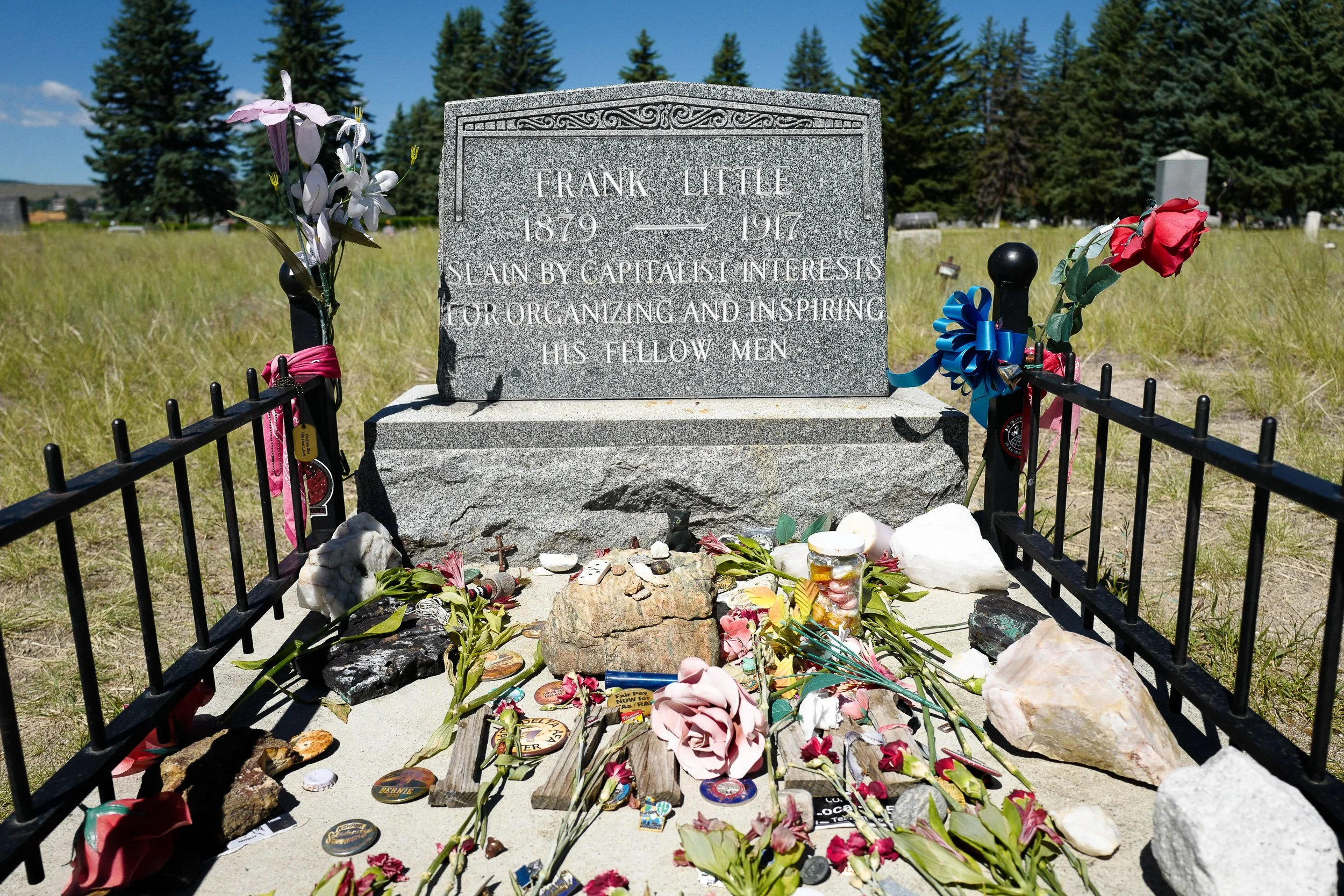
1917 Lynching of Frank Little—Adorned gravesite of International Workers of the World martyr Frank Little: “SLAIN BY CAPITALISTS FOR ORGANIZING AND INSPIRING HIS FELLOW MAN.” Little was brutally lynched for speaking out against the copper trust on behalf of the striking miners. (Butte, MT)
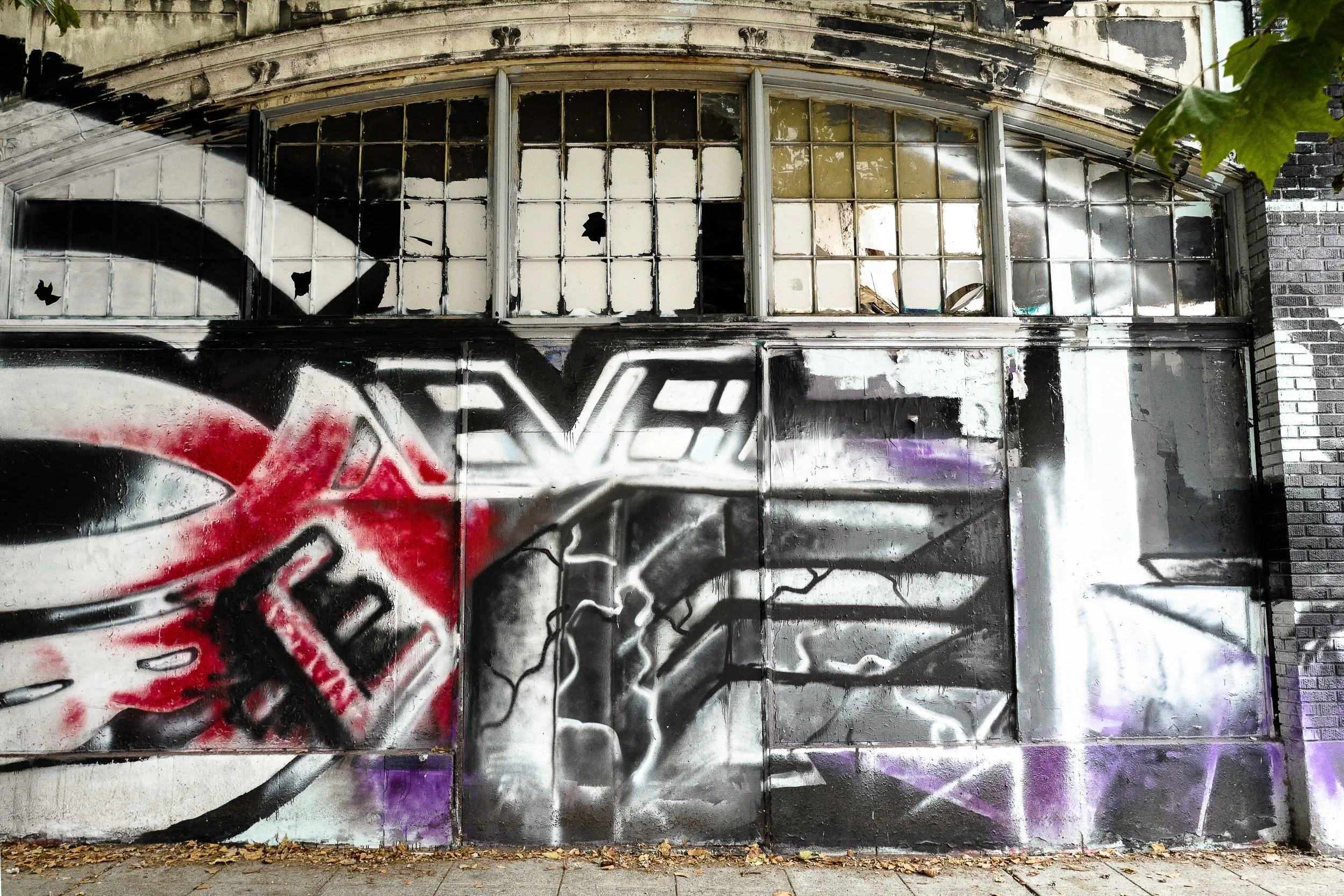
1981 Murder of Silme Domingo and Gene Viernes—Façade of the abandoned International Longshore and Warehouse Union Local 37 hall, where activists and union reformers Silme Domingo and Gene Viernes were assassinated. Investigations revealed they were killed on orders from Philippine President Marcos, in collusion with the corrupt local president, for speaking out against the regime. (Seattle, WA)
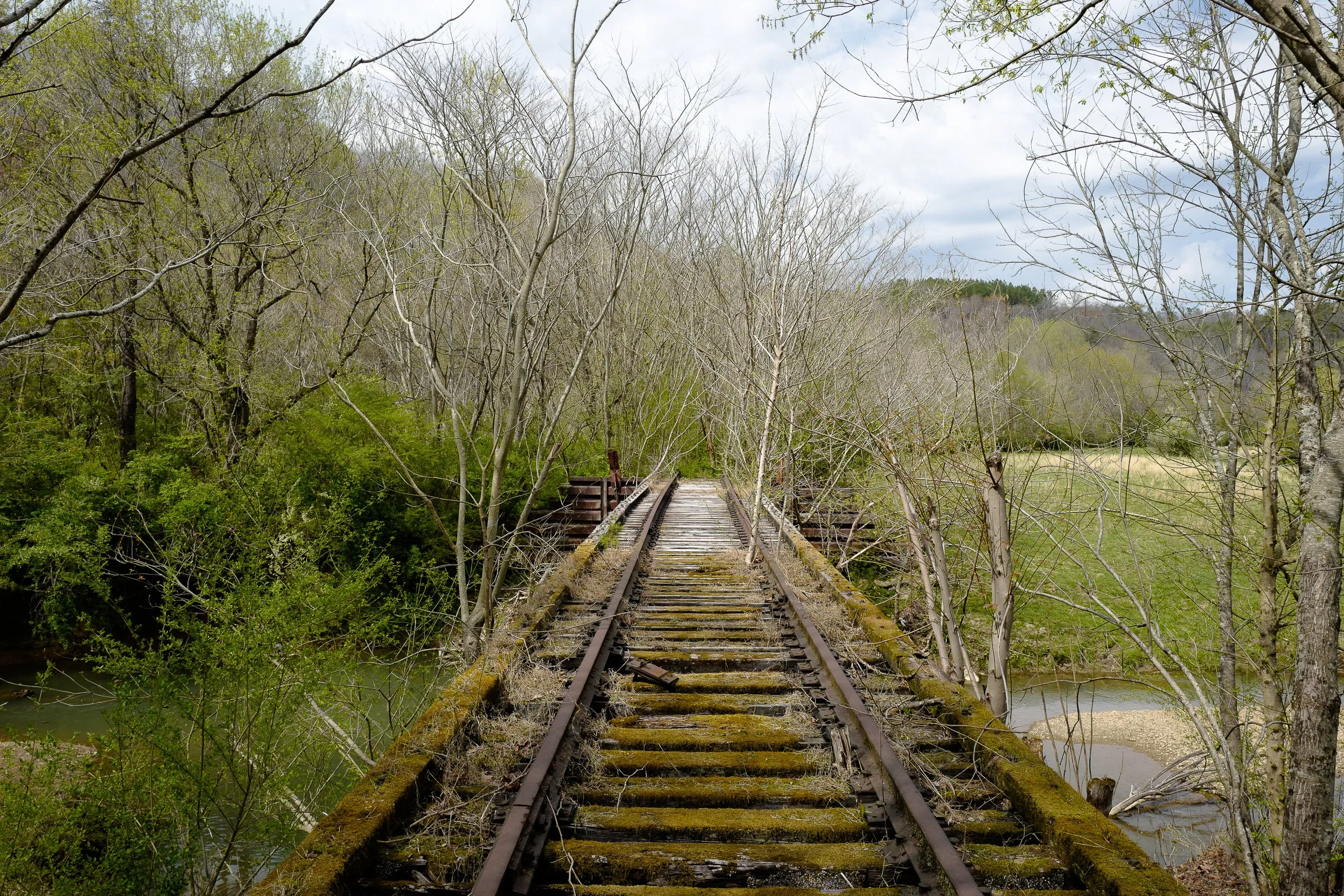
1891 Coal Creek War—Abandoned Drummond Bridge, where coal miner Richard Drummond was hanged by state militia in 1893 for participating in a miners’ uprising against convict labor. This rebellion, affiliated with the Knights of Labor, led Tennessee to become the first Southern state to abolish convict leasing. (Briceville, TN)
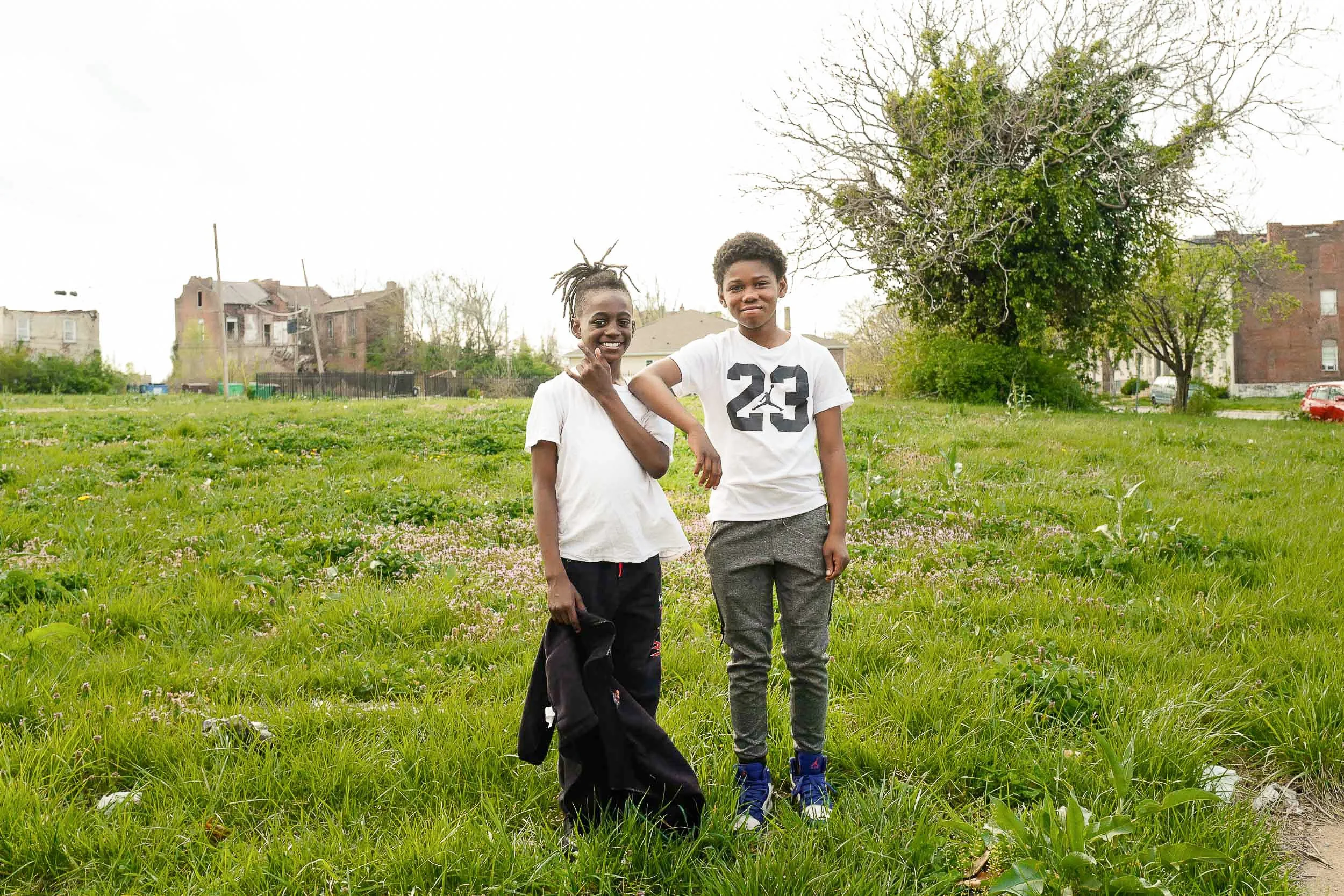
1933 Funsten Nut Strike—Neighborhood boys stand where the Food Workers Industrial Union local met on the eve of a landmark strike. In a Jim Crow city, the union led by Black women overcame police brutality and entrenched racism to win better wages and working conditions. (St. Louis, MO)
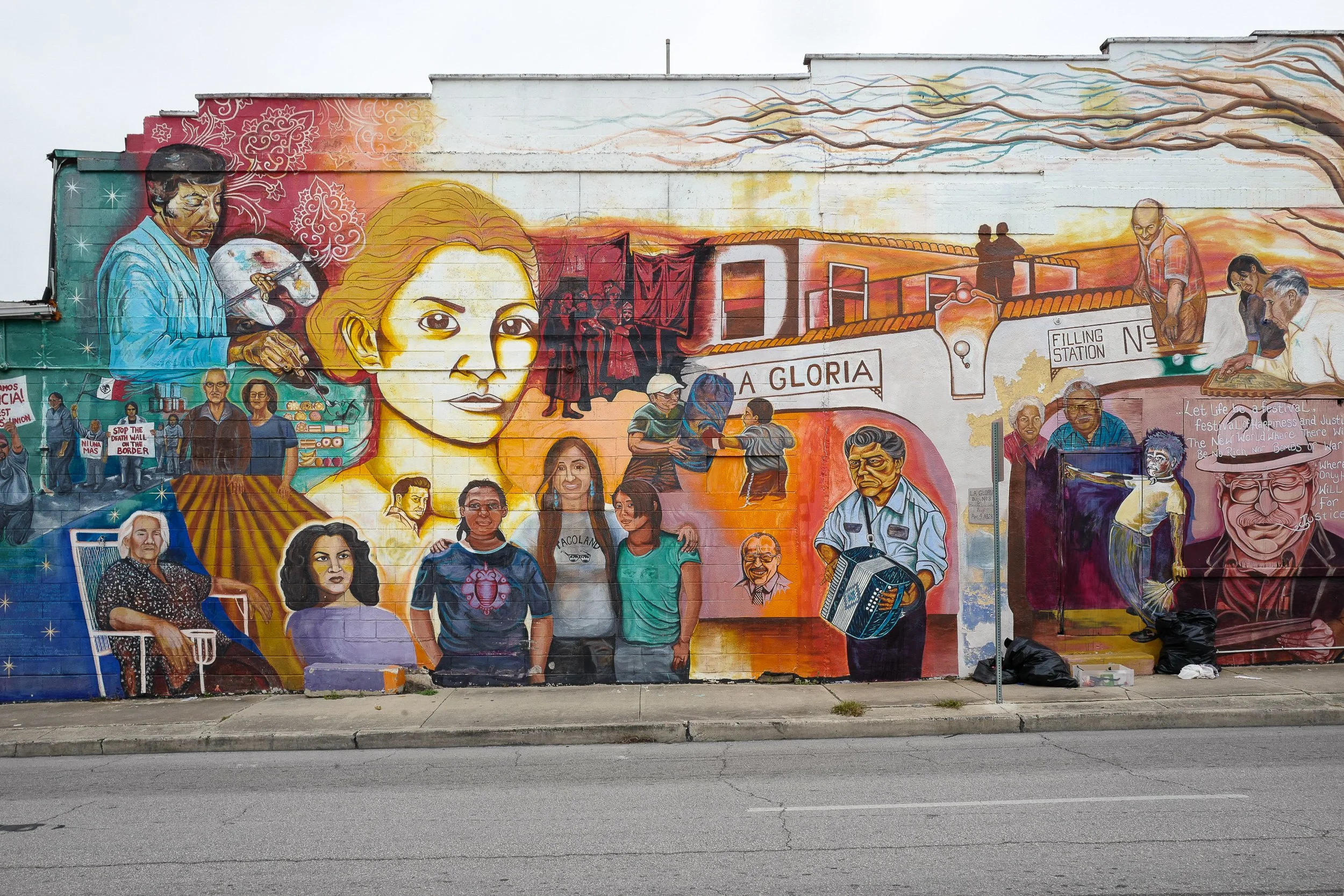
1938 San Antonio Pecan Shellers Strike—Mural of San Antonio’s Westside leaders, featuring labor activist Emma Tenayuca (left of center). At 22, Tenayuca led 12,000 Mexican-American pecan shellers through a strike for union recognition amid heavy repression. The following year she was forced to flee the city for her safety under the threat of a violent mob. (San Antonio, TX)
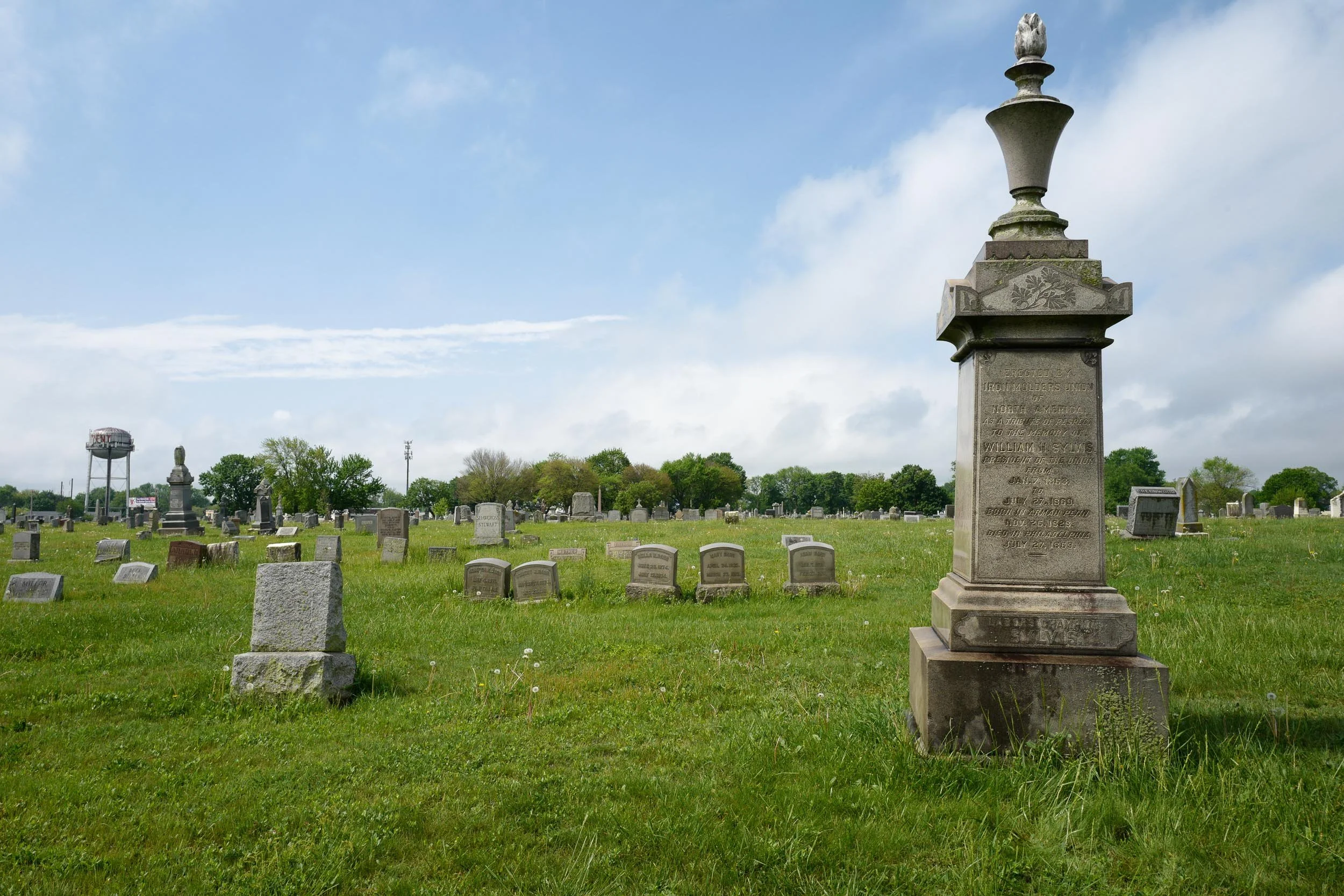
William H. Sylvis & 1866 founding of the National Labor Union—Memorial to William H. Sylvis (right), founder of the Iron Molders' International Union and the National Labor Union– the first national labor federation in the United States. The progressive social reformer, who championed women's rights and racial unity, was arguably America's first labor organizer. (Landsdowne, PA)
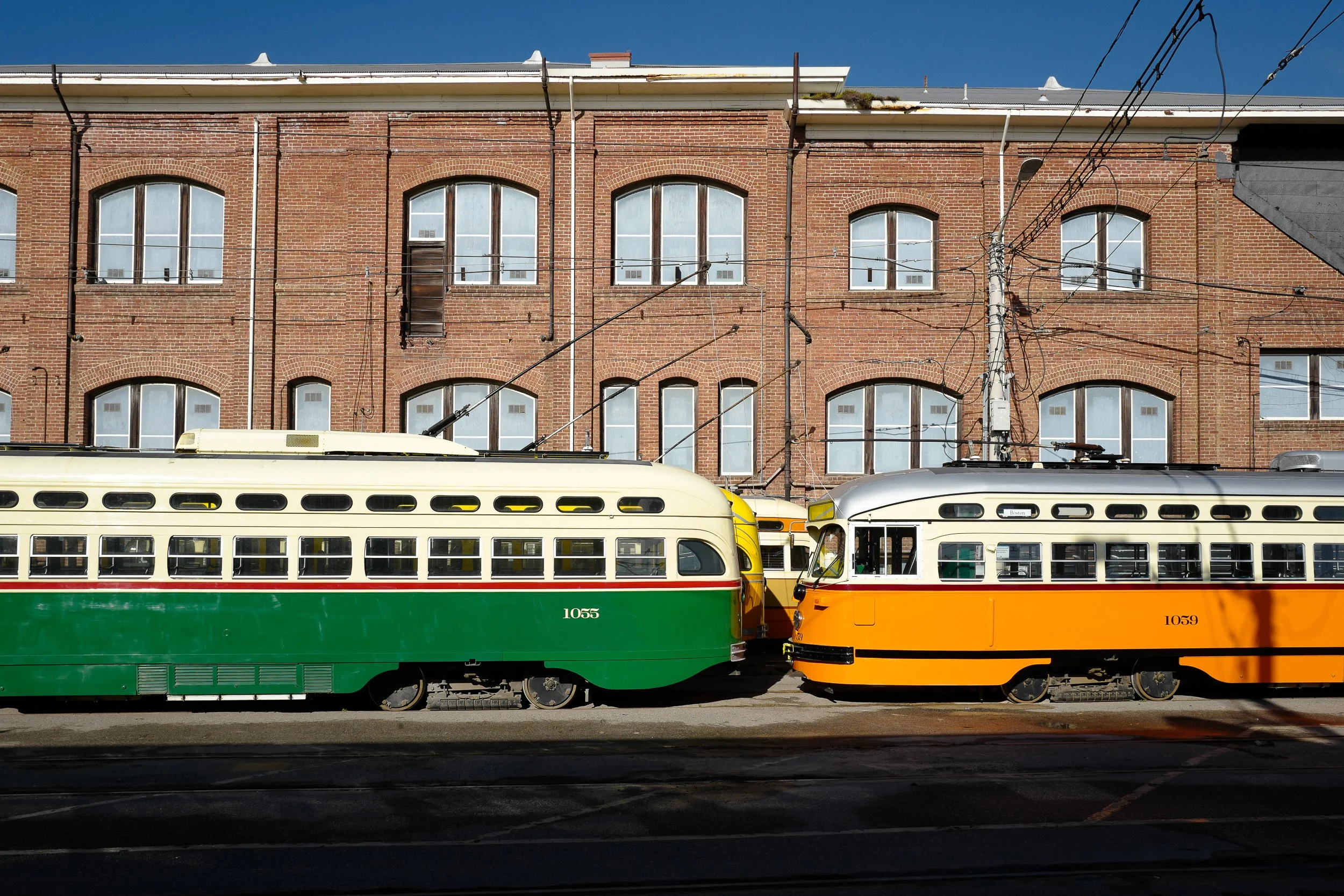
1917 United Railroads Strike—The irregularity among the second story windows in the Geneva Car Barn marks a former door cut by the streetcar company, allowing strikebreakers to enter the yard via a temporary stairway and avoid confronting the strikers. This relic is a reminder of San Francisco’s violent era of streetcar strikes, which ultimately contributed to the election of the city’s second Union Labor Party mayor and the creation of the nation’s first publicly owned transit line. (San Francisco, CA)

1915 Morenci Miners Strike—Weathered inscription at Pioneer Mexicano Cemetery: “Here lies Luciano Ramirez, victim of a treacherous scab during the Morenci, AZ strike, Nov. 15, 1915.” The struggle and sacrifice memorialized here helped make Clifton-Morenci a union stronghold, improving conditions for Mexican Americans in a region of severe anti-union hostility. (Morenci, AZ)

1885 Rock Springs Massacre—Print of the “Chinese Commission at Rock Springs,” on display at the Rock Springs Historical Museum. In 1885, white miners affiliated with the Knights of Labor killed 28–50 Chinese workers and burned 75 homes. Despite their inclusive policies toward most groups, the KOL's anti-Chinese politics would make them accomplices to one of the worst incidents of violence against Chinese immigrants in US history. (Rock Springs, WY)
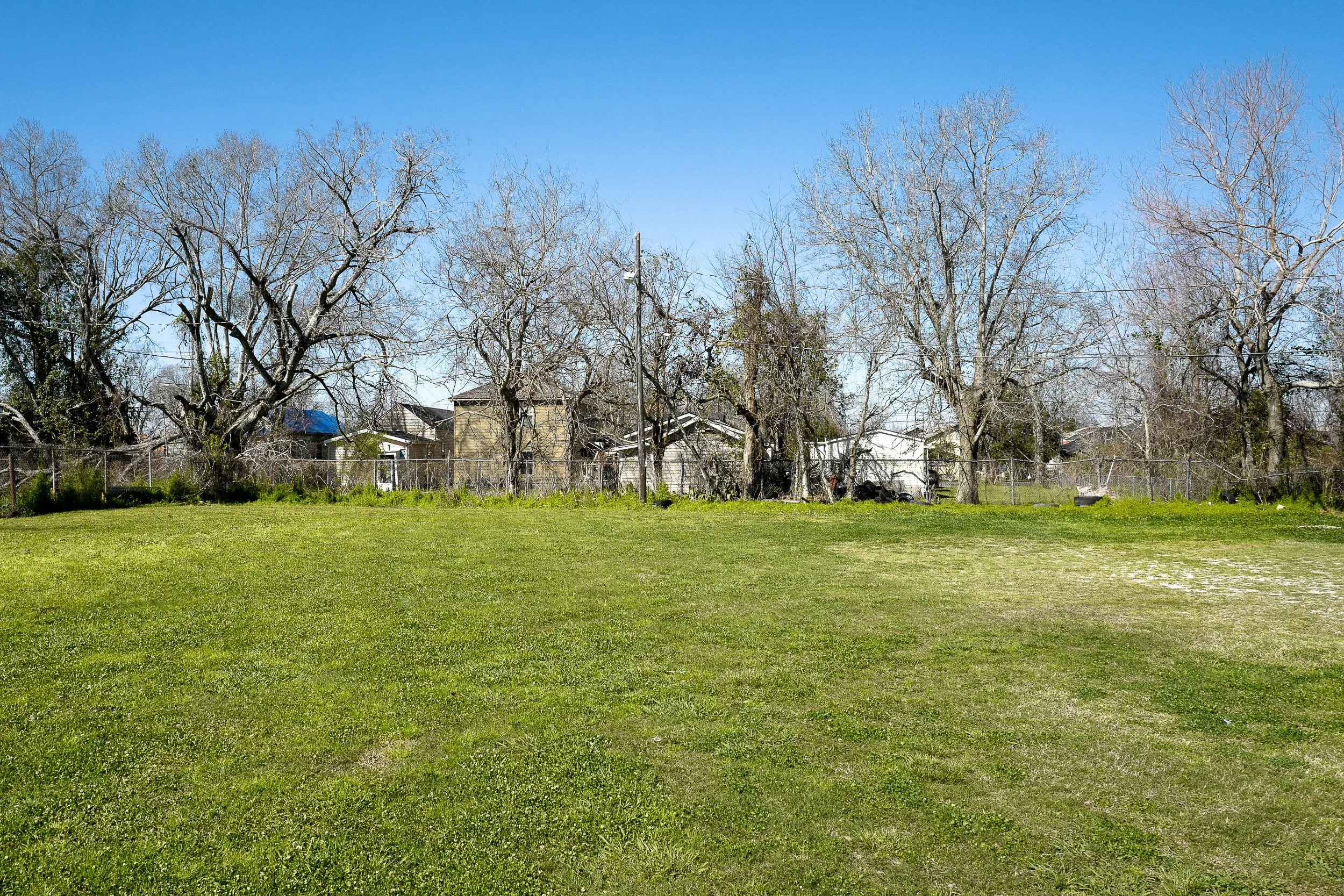
1887 Thibodeaux Massacre—Site of a mass grave where an unknown number of victims of the massacre were buried. 30–70 striking Black sugarcane workers—organized with the Knights of Labor—were murdered during the event. For one of the deadliest labor struggles in American history, its public remembrance remained completely absent for well over a hundred years. (Thibodeaux, LA)
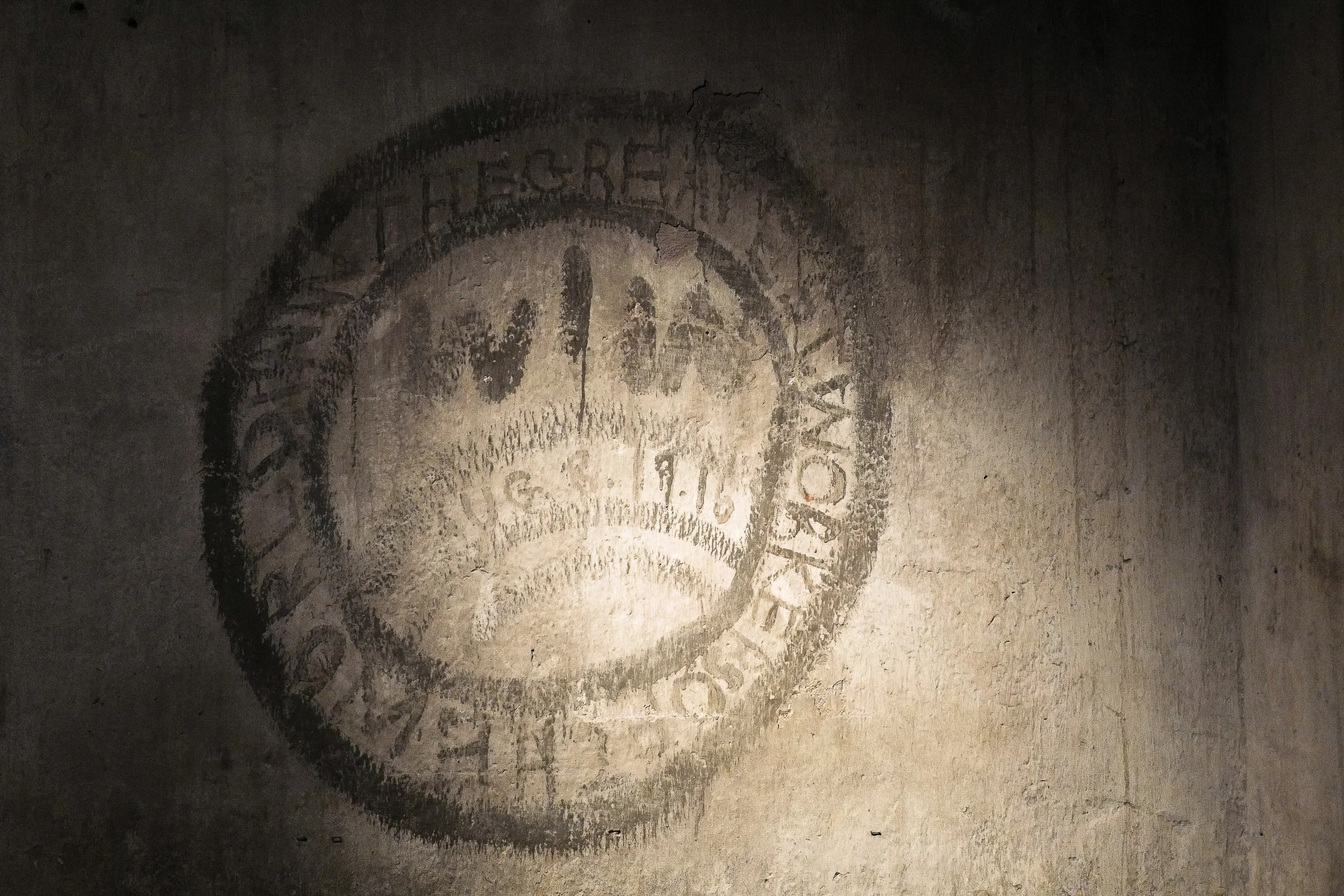
1919 Park City's Miners Strike—International Workers of the World emblem drawn with candle smoke on a Park City jail cell wall—now preserved at the Park City Museum (which houses the former jail). This artifact reflects the unique culture and dedication of IWW members, particularly one who was imprisoned near the execution site of the martyred songwriter, Joe Hill. (Park City, UT)
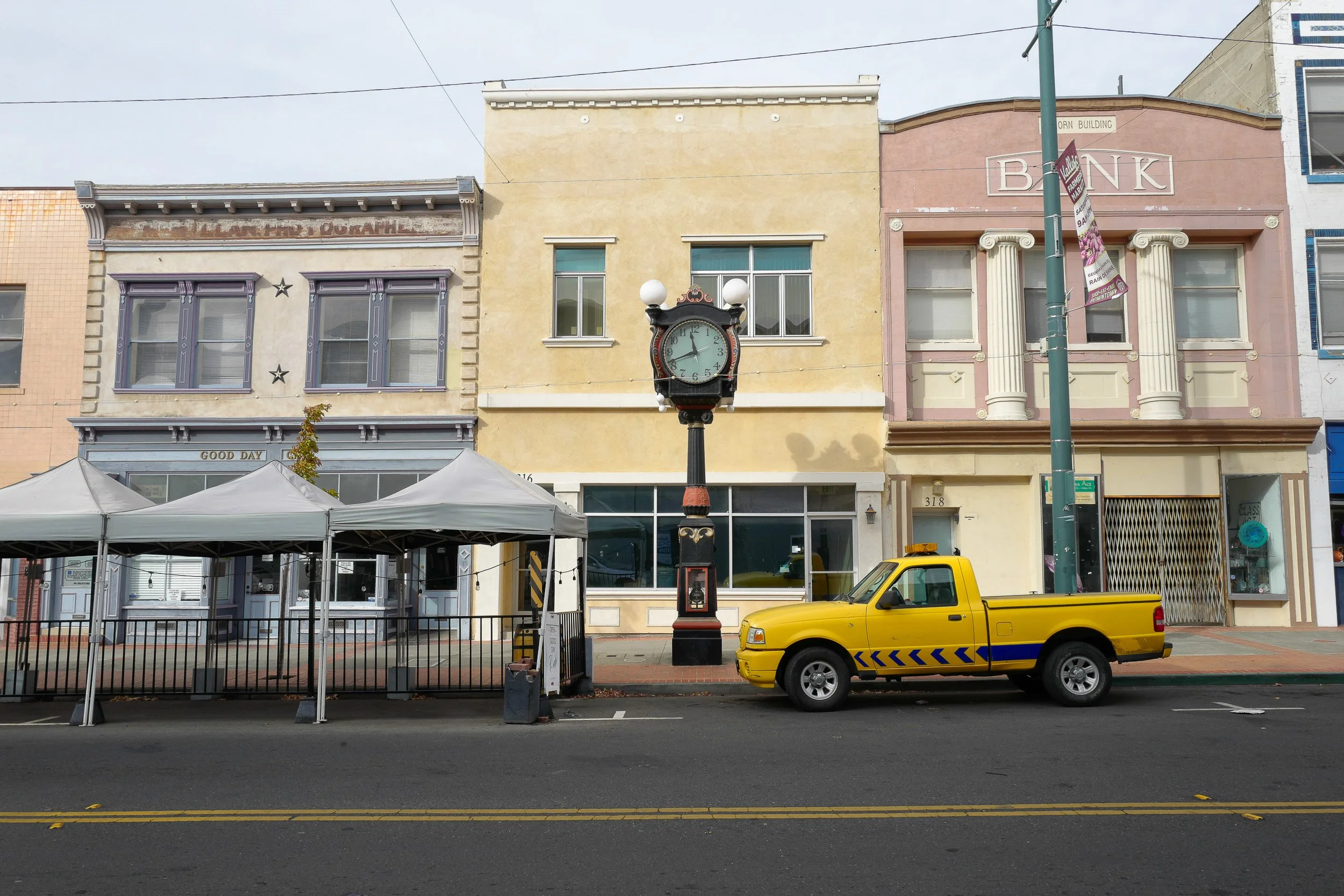
1917 Thomas Mooney Trial—“Alibi Clock,” photos of which were used as evidence in the defense of labor leader Thomas Mooney, who was falsely accused of a lethal bombing due to his activism. Public outcry led to his death sentence being commuted, but he would serve over twenty years in prison before being pardoned, dying only three years later. (Vallejo, CA)
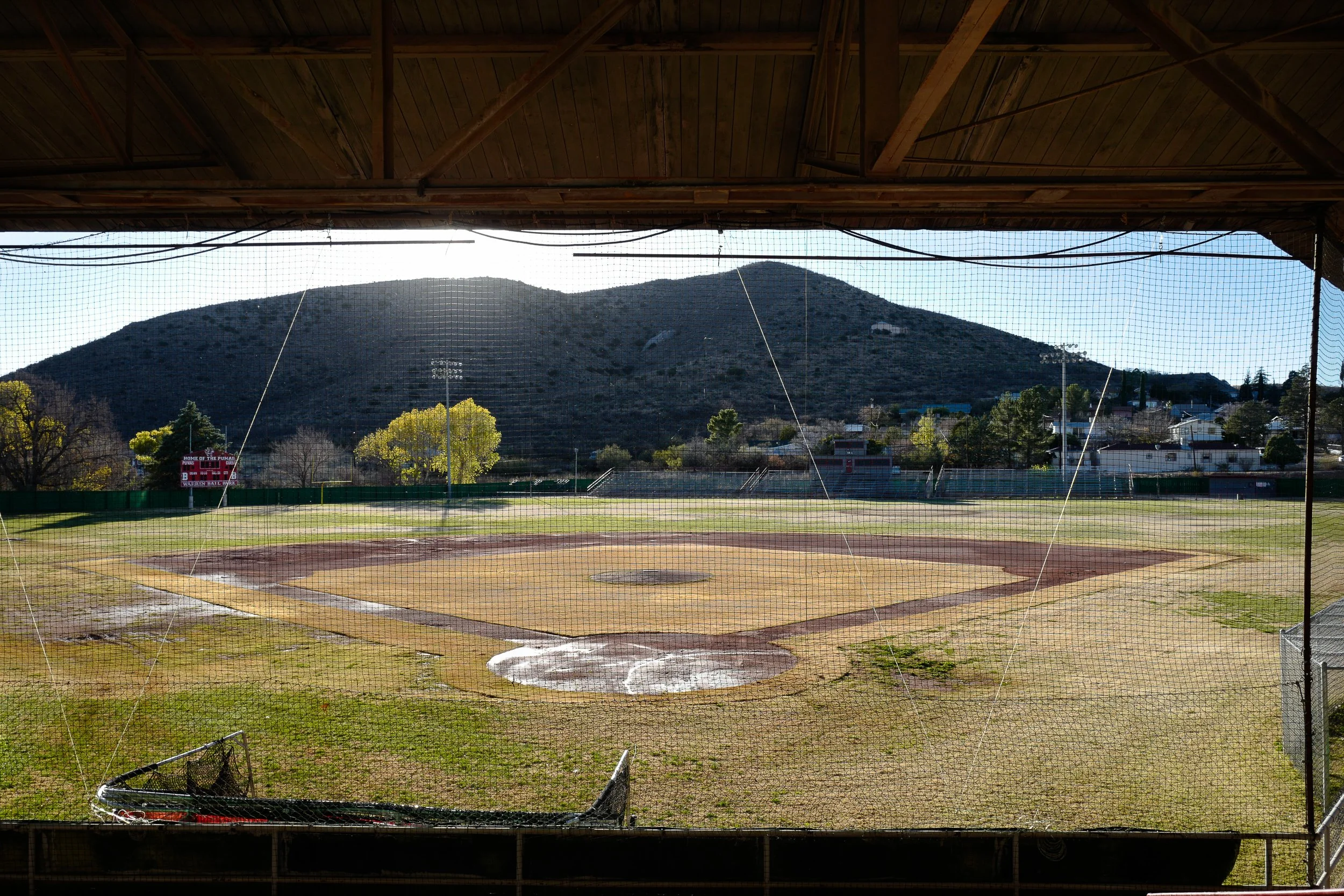
1917 Bisbee Deportation—When over 1,200 striking miners with the International Workers of the World were rounded up at gun point at the behest of the Phelps-Dodge corporation, they were first held here, at historic Warren Ballpark, before being forced onto cattle cars to be stranded in the New Mexico desert. No one would ever be held accountable for what would be the largest kidnapping in American history. (Bisbee, AZ)
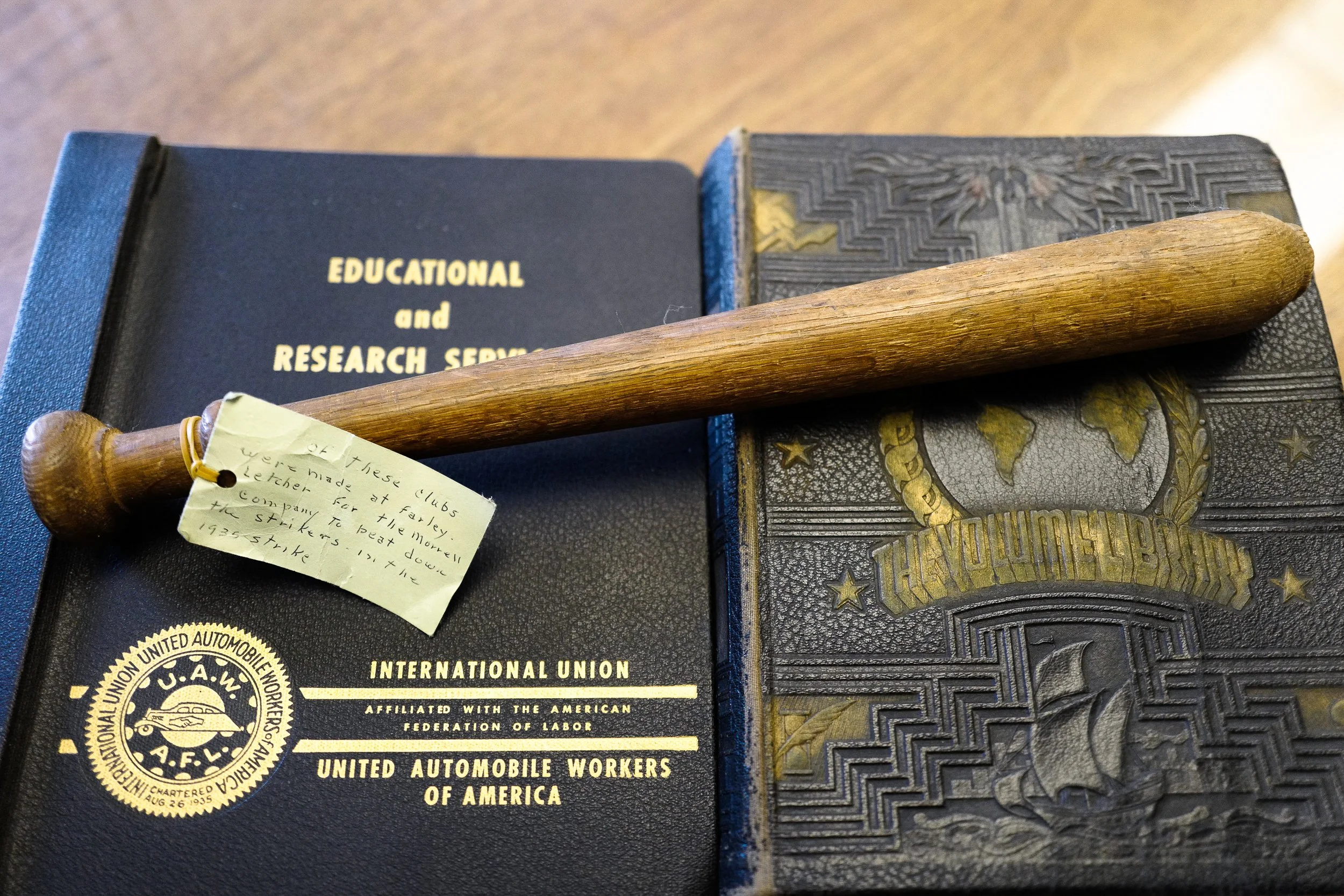
1935 Morrell Meat Packing Strike—Oak club made for Morrell Meat Packing in Sioux Falls to arm a mob of 200 non-union men sent to break a strike by the Amalgamated Meat Cutters and Butchers. The resulting “Bloody Friday” clash left over 50 hospitalized. (Sioux Falls, SD)
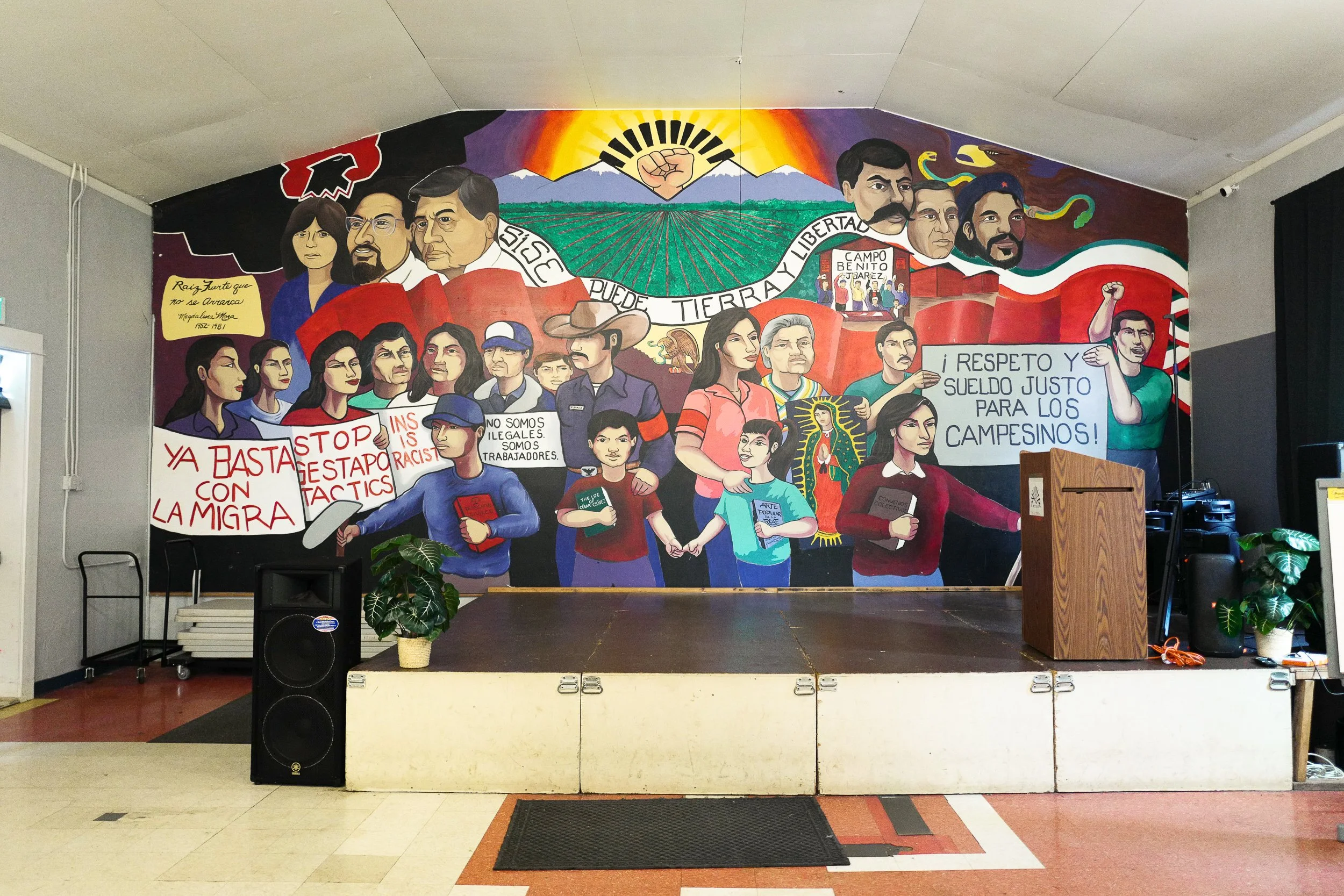
Pineros Y Campesinos Unidos del Noroeste—The mural behind the speakers podium at PCUN's headquarters illustrates the forty year history of the farm worker union, as well as the cultural heritage and political struggles of its largely Mexican immigrant membership. (Woodburn, OR)

Tri-Cities Labor Temple—Dave Dowling stands on the century-old stage of the Tri-Cities Labor Temple. The building's living history includes the story of United Steelworkers Local 1899, which gained its number from the year in which local steelworkers began their “unbroken unionism.” Dowling chronicled this unique labor history in his “Steelworker Scrapbook,” with the hope that: “knowledge of the past will inspire, guide, and gird steelworkers as they face the challenges of the future." (Granite City, IL)
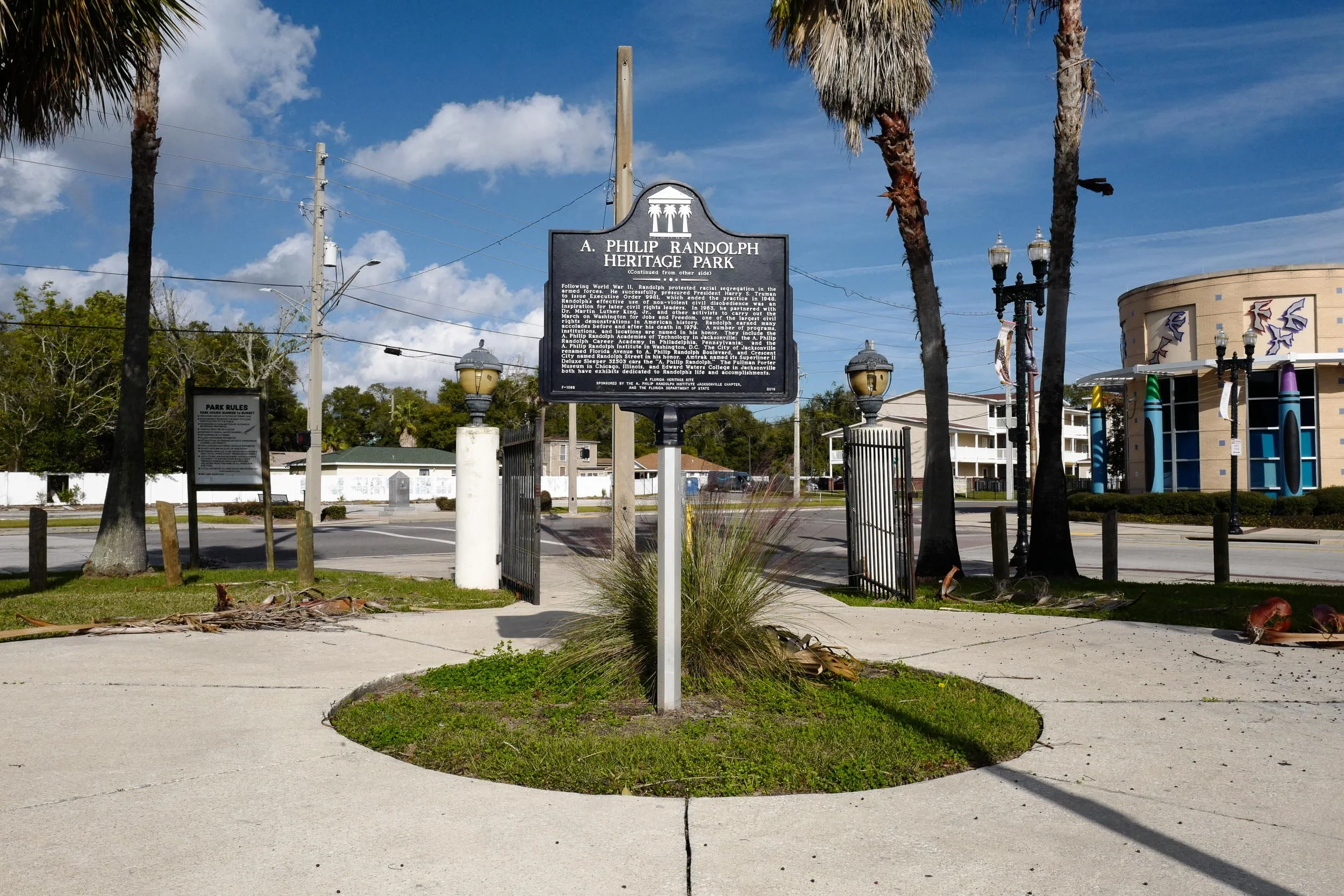
A. Phillip Randolph—Historical marker at A. Philip Randolph Historical Park in Florida honors one of America’s greatest labor and civil rights leaders. Known as the “Grandfather of the Civil Rights Movement,” he was the organizer and longtime leader of the Brotherhood of Sleeping Car Porters—the first Black-led union chartered by the American Federation of Labor—and the visionary behind the historic 1963 March on Washington. (Jacksonville, FL)
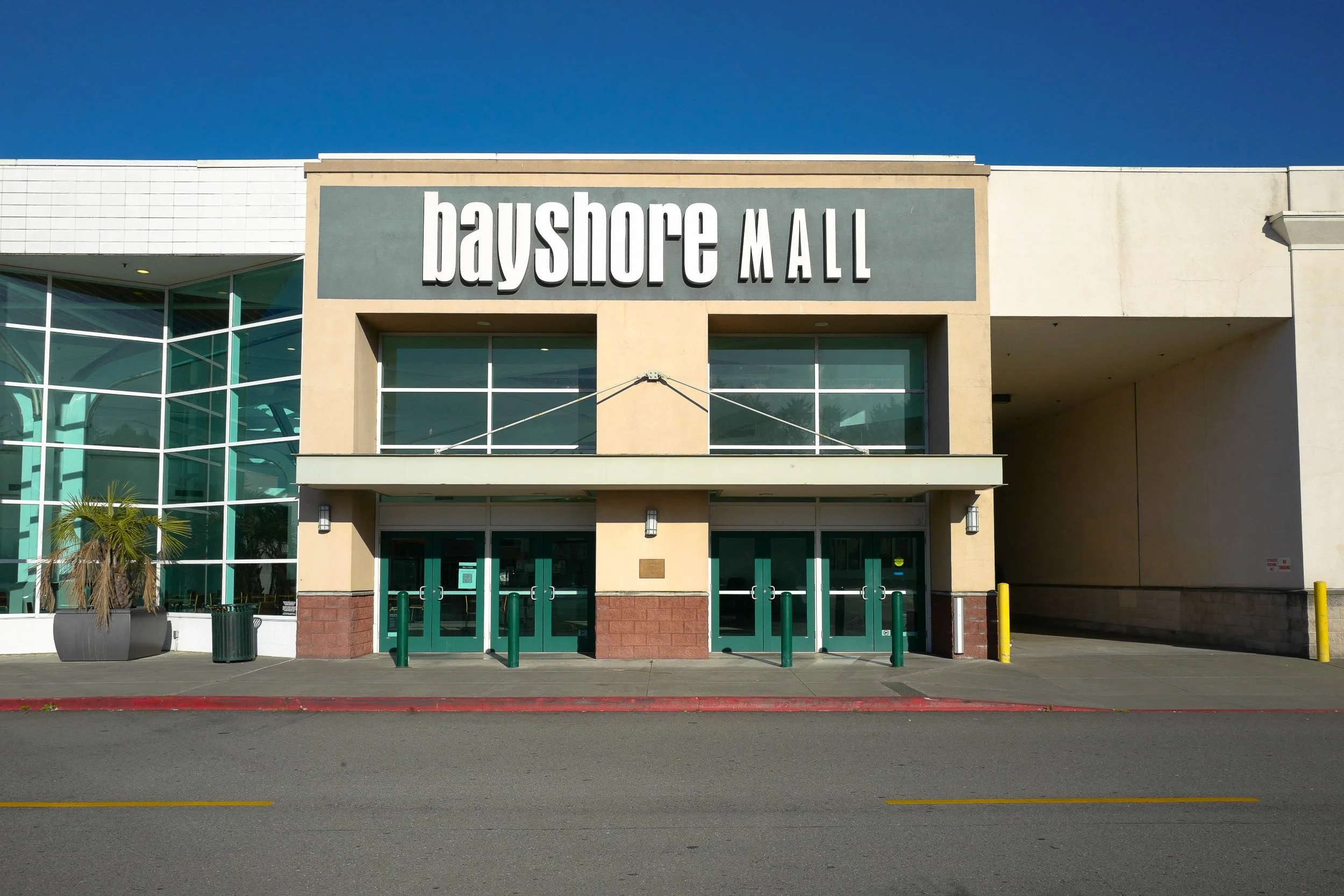
1935 Redwood Lumber Strike—A small marker at the Bayshore Mall notes the deadly clash between police and strikers with the Sawmill and Timber Workers Union, where three picketers were killed by machine gun fire. The mall now stands on the site where the bloody event transpired. (Eureka, CA)
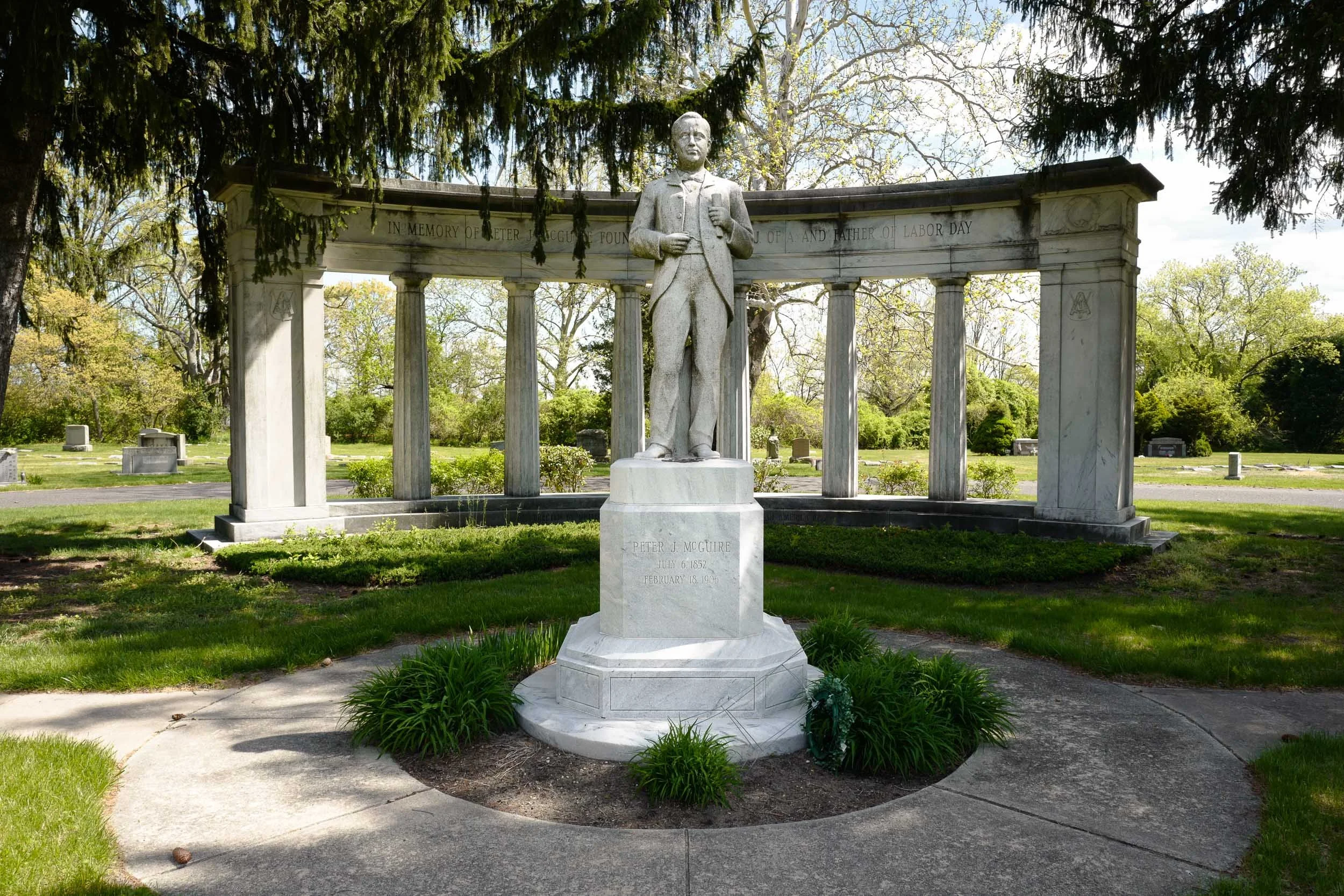
Peter J. McGuire—Memorial honoring Peter J. McGuire, early advocate for the 8-hour workday, co-founder of the United Brotherhood of Carpenters and founding member of the American Federation of Labor. Known as the “Father of Labor Day,” he also helped establish May Day and worked to organize the Social-Democratic Workingmen's Party. (Pennsauken, NJ)
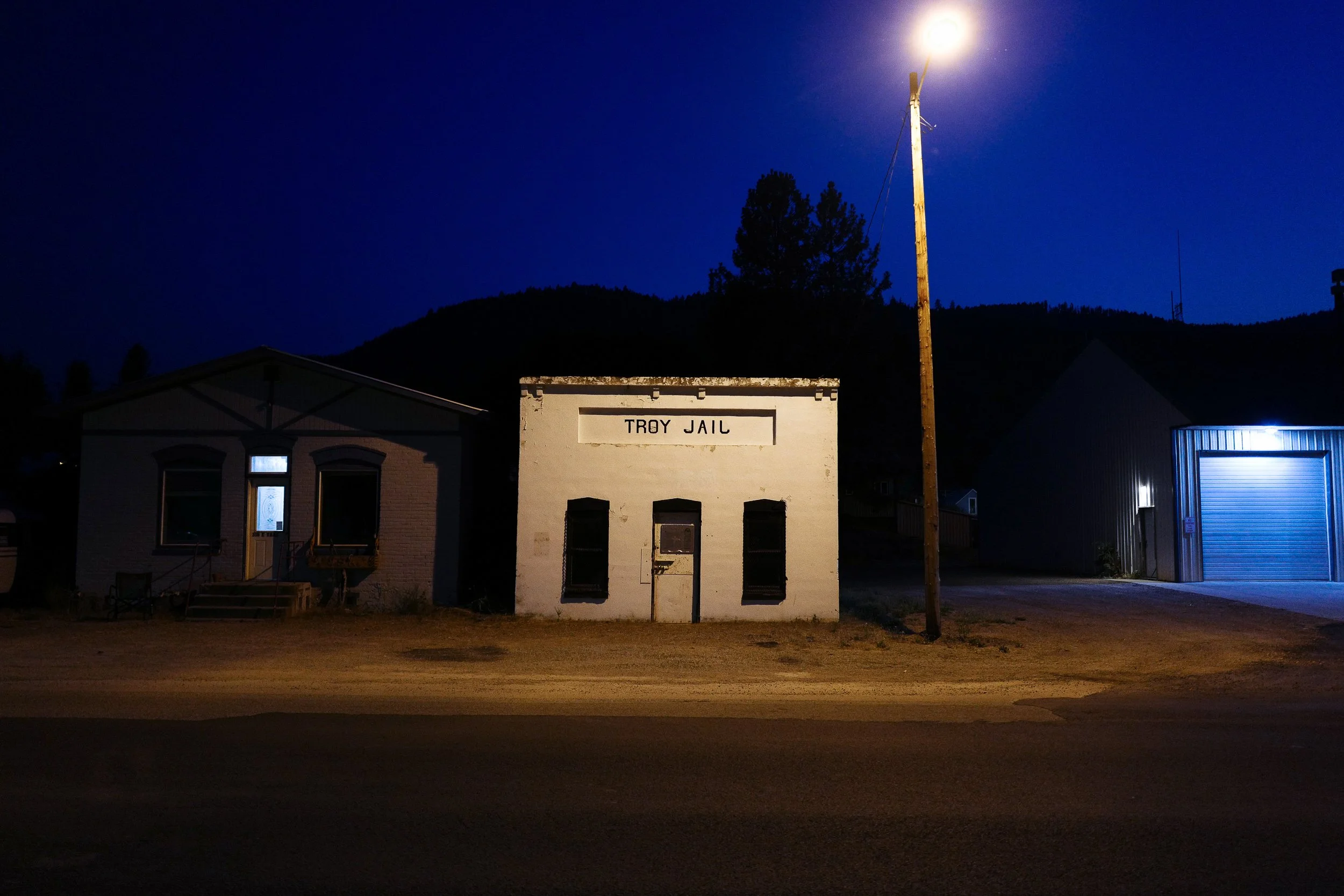
1917 Killing of Frank Thornton—Arrested for “causing a disturbance” during the General Lumber Strike, the IWW organizer was jailed in Troy, where local police and company gunmen beat him. A “suspicious” fire broke out that night, killing Thornton, the jail’s sole occupant. The rebuilt jail now stands on the same site, with a historical marker briefly noting the incident. (Troy, MT)
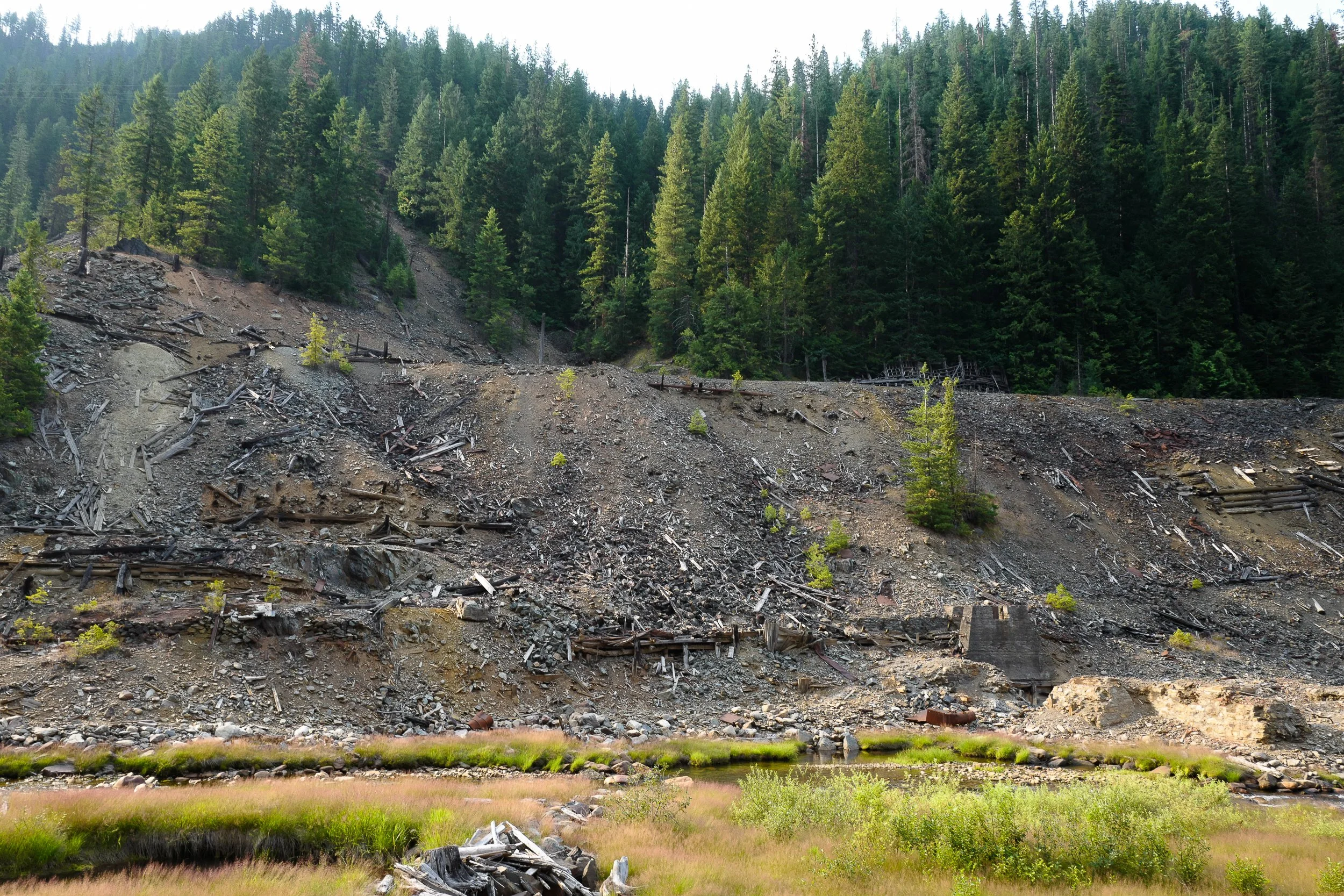
1892 Coeur d'Alene Strike—Remains of the Frisco Mill, blown up by striking miners during a gunfight with company guards. The following decade of violence and repression in the region led to the formation of the Western Federation of Miners, the assassination of a former governor and its resulting “trial of the century" involving WFM leadership. (Frisco, ID)
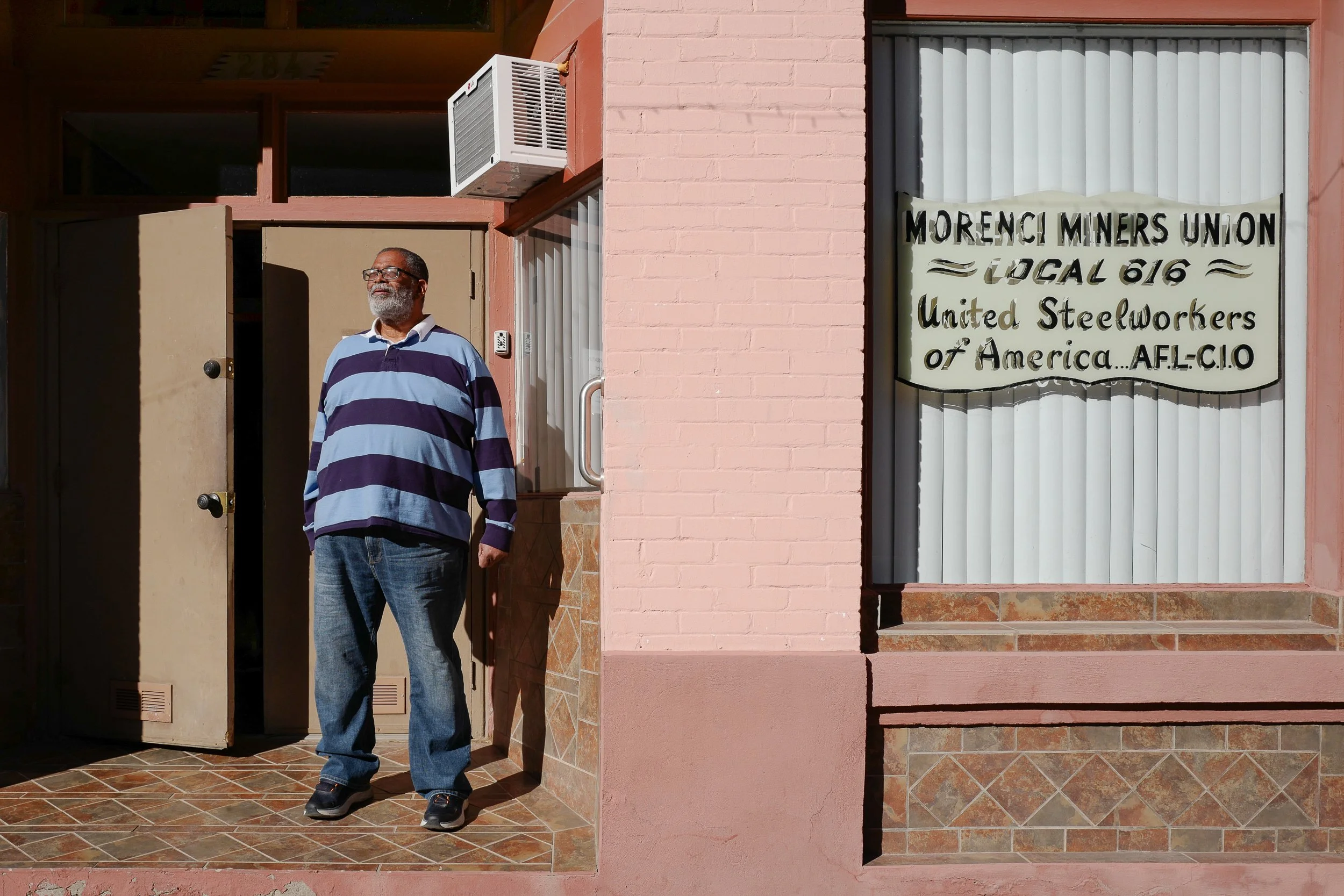
1983 Arizona Copper Mine Strike—Jeff Gaskin stands before the former Morenci Miners Union Hall. Emboldened by Reagan-era policies, Phelps-Dodge crushed the local United Steelworkers union, setting a national union-busting precedent. Gaskin transformed the long-abandoned hall into a boarding house, and in the process, preserved a powerful mural illustrating the union's struggle. (Clifton, AZ)
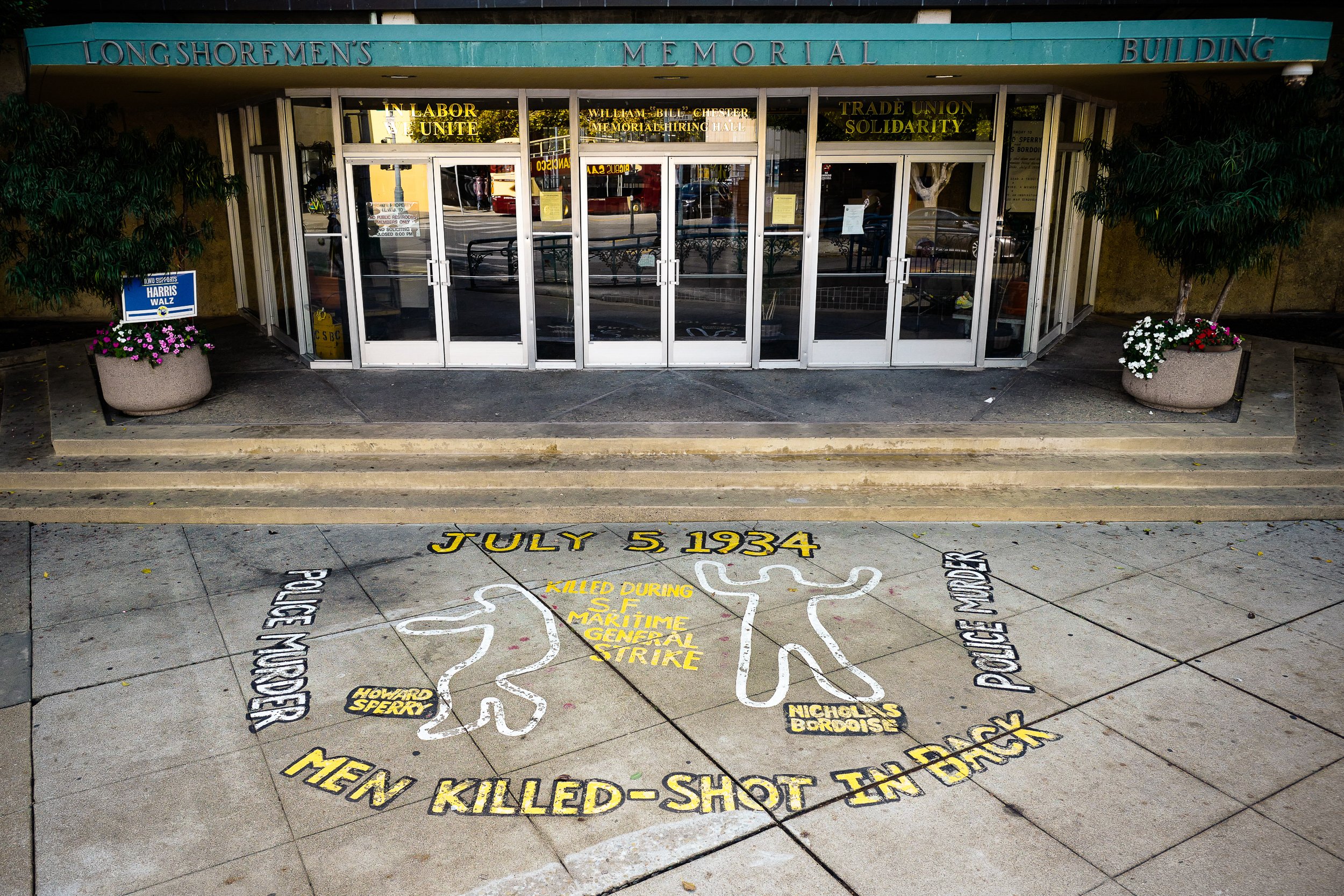
1934 West Coast Waterfront Strike—Memorial at International Longshore and Warehouse Union Local 10 hall honors two workers killed on “Bloody Thursday.” The 1934 strike shut down West Coast ports, led to the San Francisco General Strike and an early victory for industrial unionism. Six workers would be killed before the conflict ended. (San Francisco, CA)
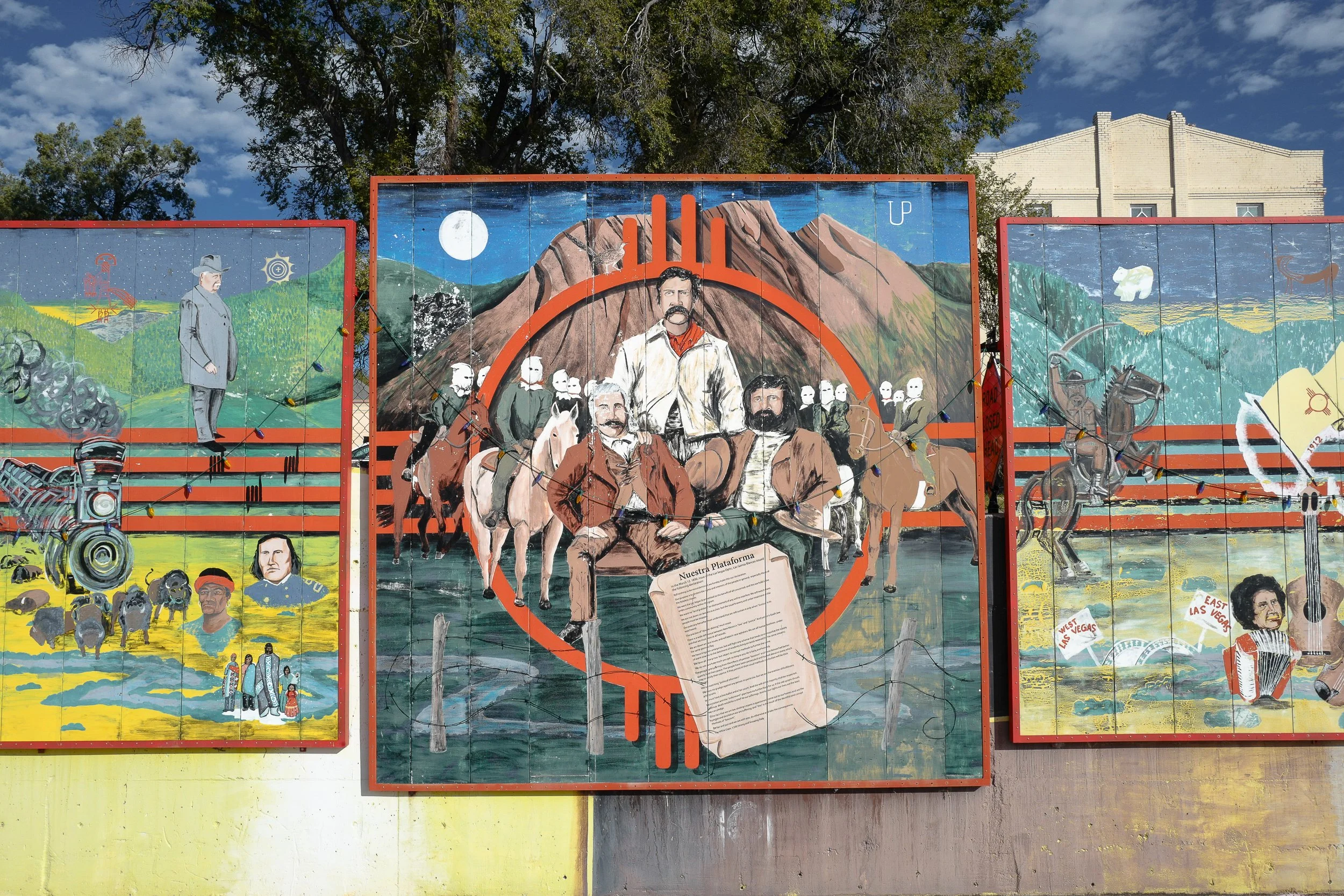
1889 Los Gorras Blancas—Central mural panel from “The People’s History of Del Norte” depicts the Herrera brothers, labor leaders and reformers who led the vigilante “White Caps.” The clandestine organization, linked to the Knights of Labor, fought Anglo land speculators by destroying fences and settlements to defend public land grants. Their legacy endures in the preservation of the region’s last Mexican land grant. (Las Vegas, NM)
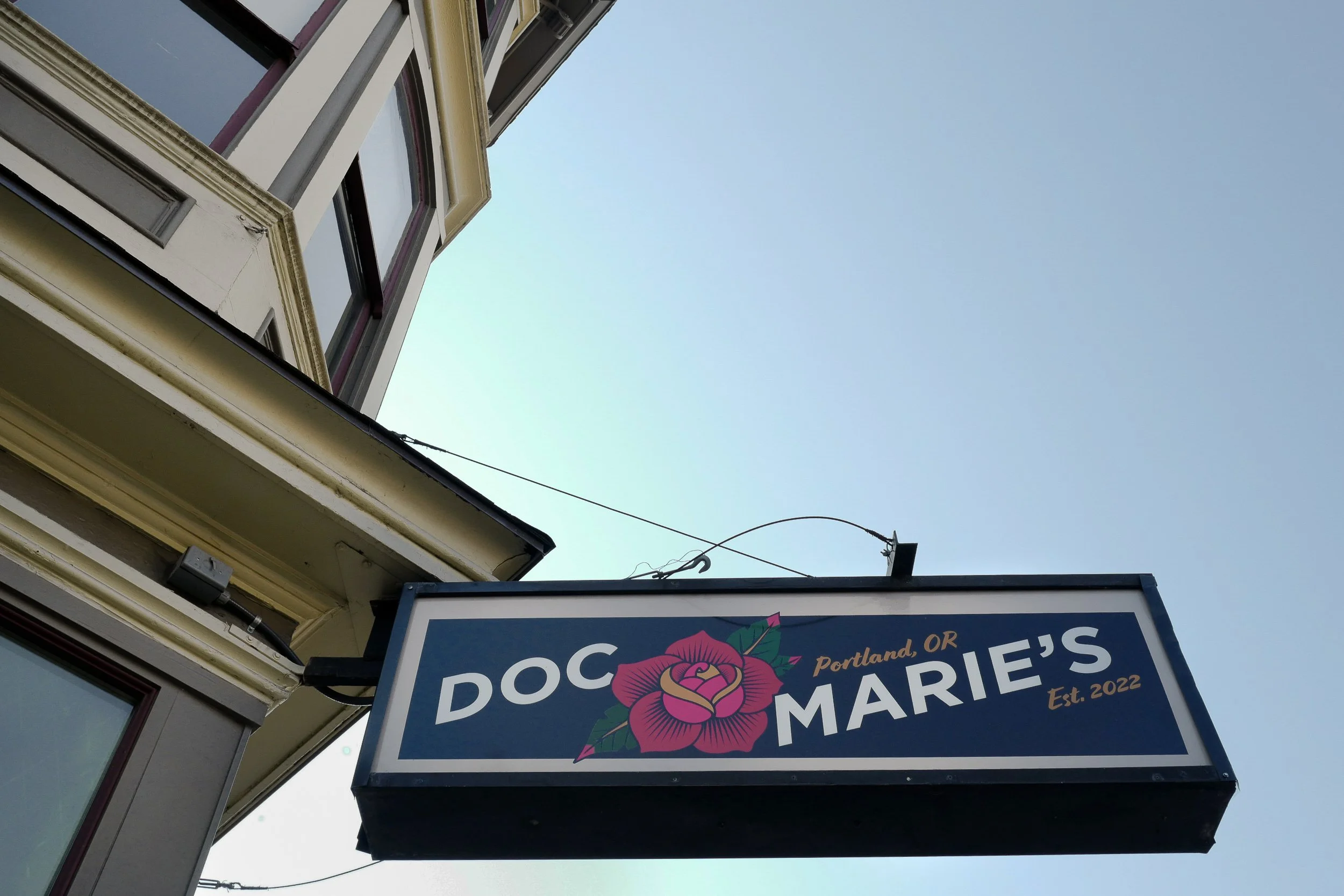
Dr. Marie Equi—Sign above the entrance to “Doc Marie's,” an LGBTQ+ bar named in honor of the Portland labor and women's rights leader. One of Oregon's earliest female physicians, the social activist became a prominent local leader with the International Workers of the World following the violent 1913 Oregon Packing Company Strike. An out Lesbian, Equi is one of the many, often unsung, members of the Queer community who helped build the American Labor Movement. (Portland, OR)
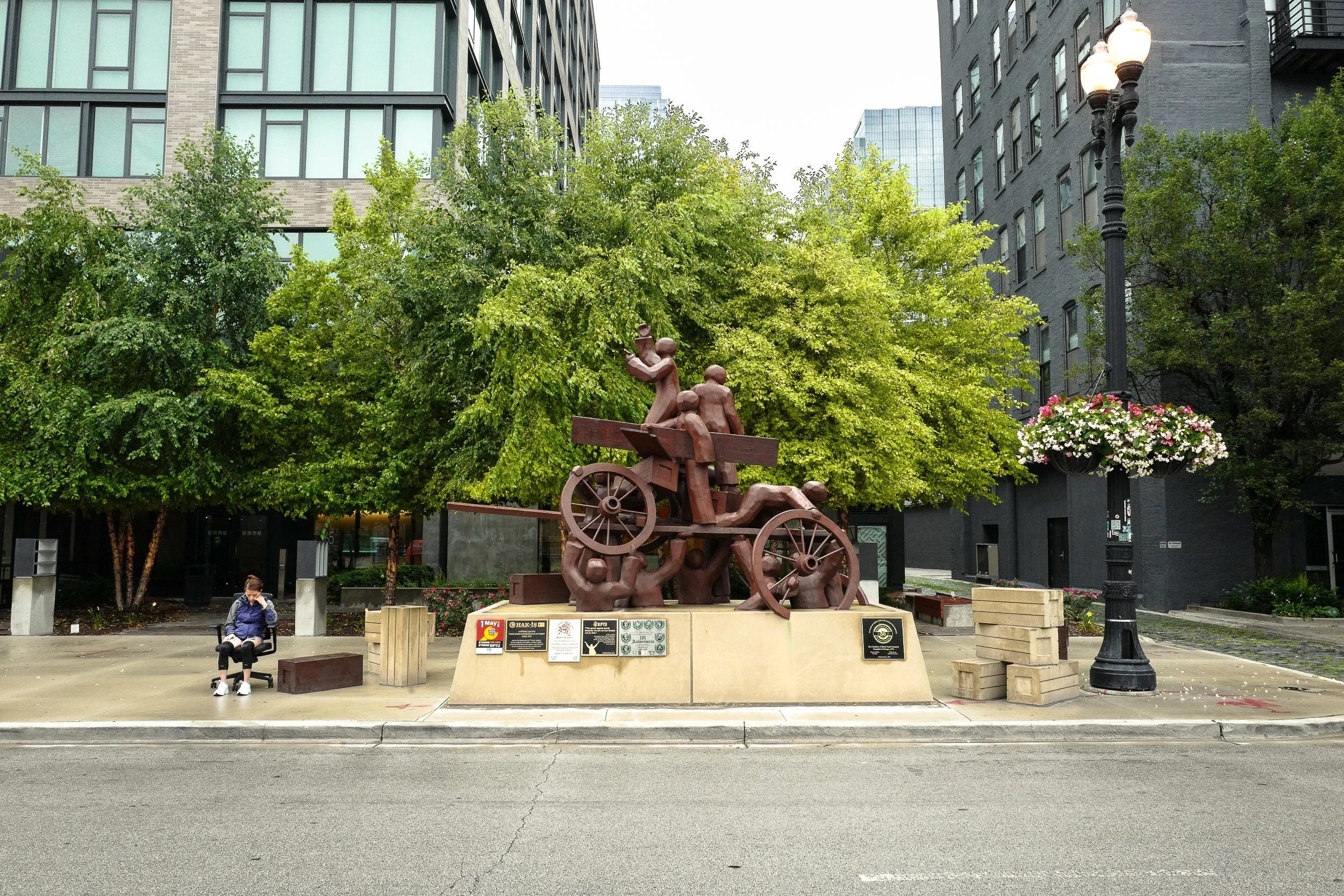
1886 Haymarket Affair—The Haymarket Memorial stands at the site of the most notorious event in American labor history. During a rally of striking workers demanding an eight-hour workday, a rogue actor threw a bomb towards onlooking police. The resulting carnage led to public outrage and initiated a political witch-hunt against Chicago’s radical labor leaders. After a grave miscarriage of justice, several convicted anarchist leaders were executed by hanging. (Chicago, IL)
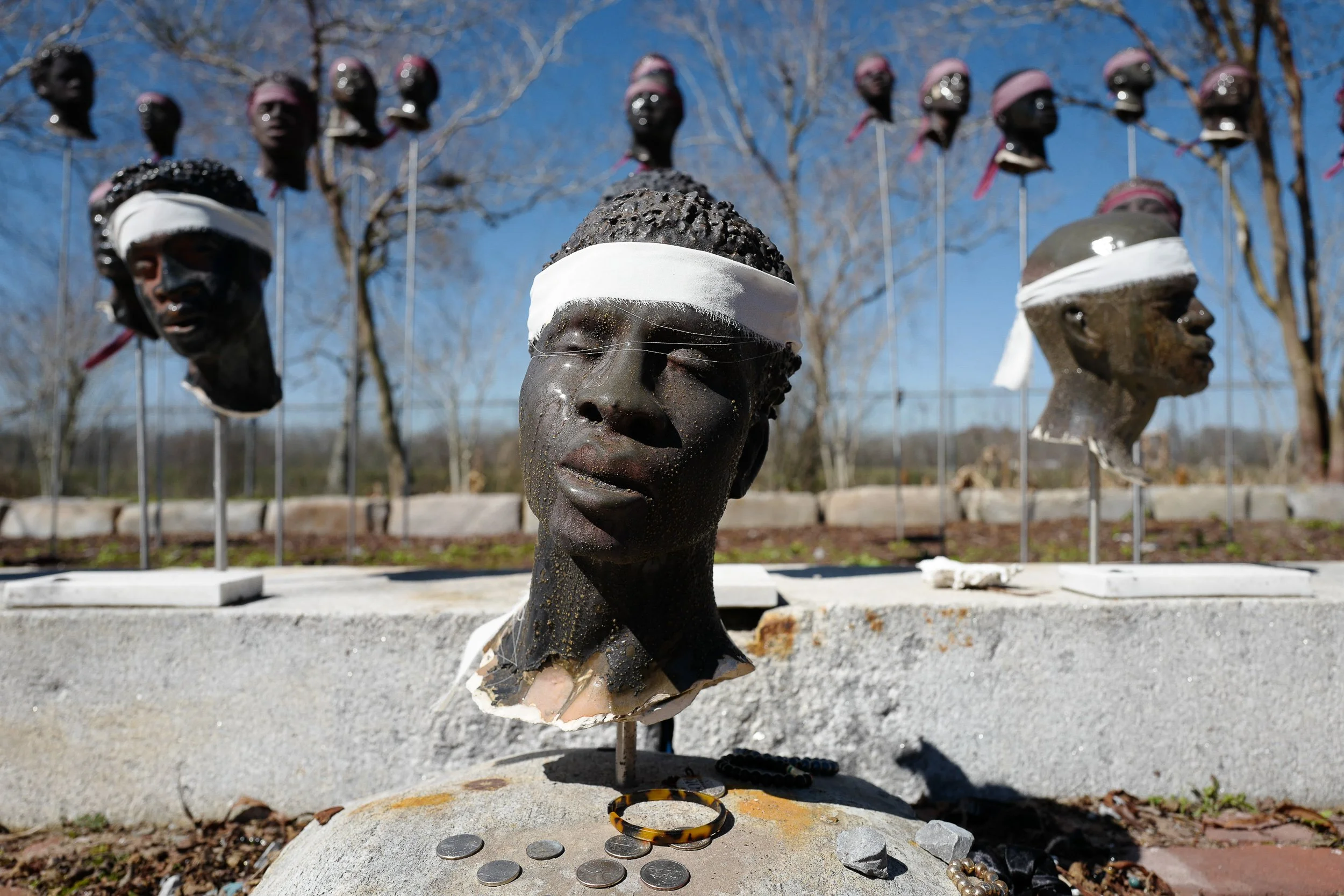
1811 German Coast Uprising—Ceramic bust of Charles Deslondes from the 1811 Slave Revolt Memorial at Whitney Plantation. Deslondes led America’s largest slave uprising, marching toward New Orleans before being crushed by state militia. The memorial makes a somber allusion to the heads of executed rebels that were placed on stakes along the levee upriver from New Orleans, serving as a warning to the local enslaved population. (Wallace, LA)
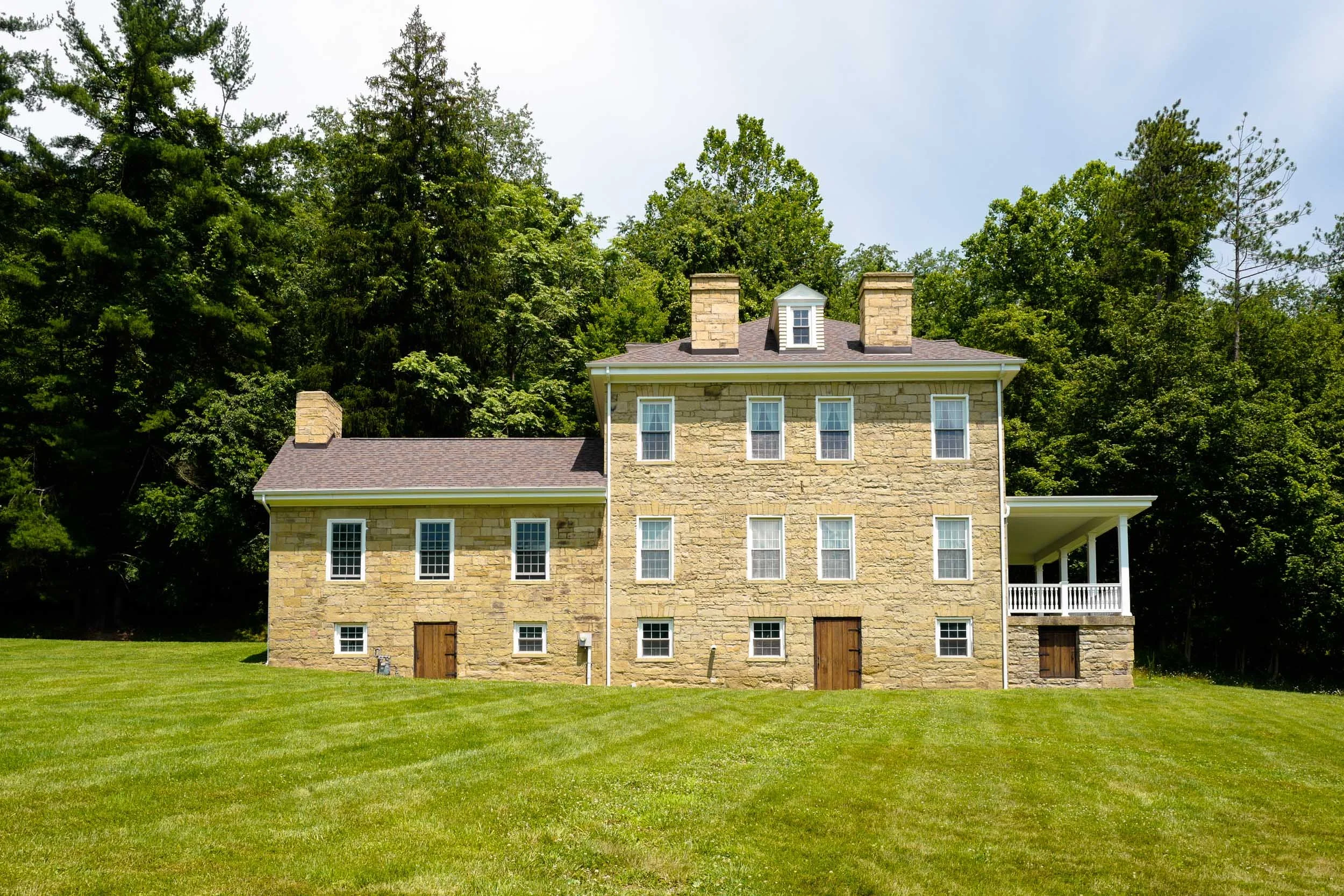
1969 Yablonksi Murders—Former home of United Mine Worker reformer “Jock” Yablonski, where he, his wife, and daughter were murdered by assassins hired by corrupt union president Tony Boyle. The shocking murders sparked a wave of democratic reform movements within some of the nation’s largest unions, whose bureaucratic and corrupt leadership had long exploited and betrayed their hardworking members. (Clarksville, PA)
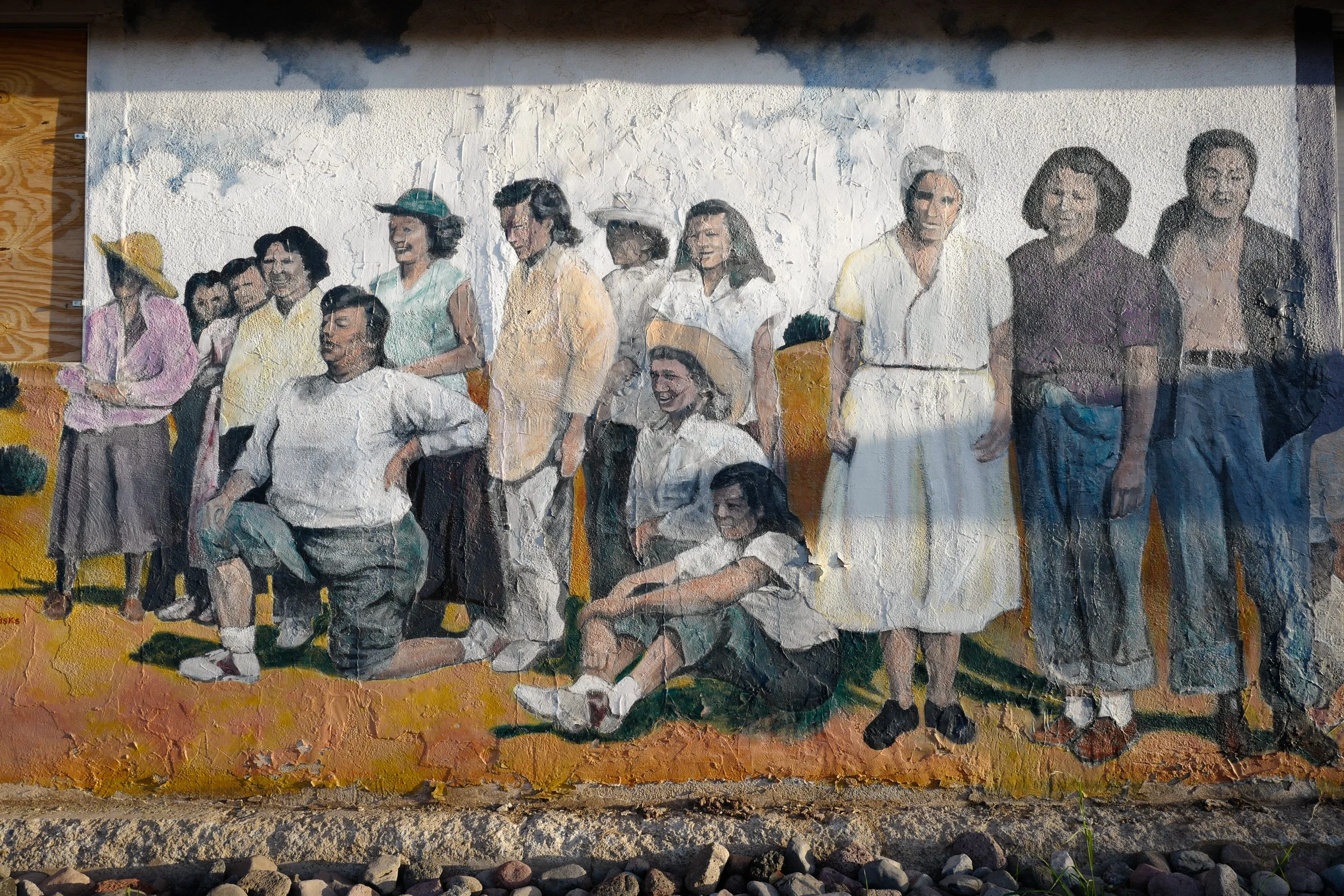
1952 Empire Zinc “Salt of the Earth” strike—Mural on the historic, now-abandoned Local 890 Union Hall. Created by local artists and students, the mural honors the women who endured violence and imprisonment to support the International Union of Mine Mill and Smelter Workers. The strike is inextricably linked to the film 'Salt of the Earth,' which remains the only film blacklisted by Hollywood. (Bayard, New Mexico)
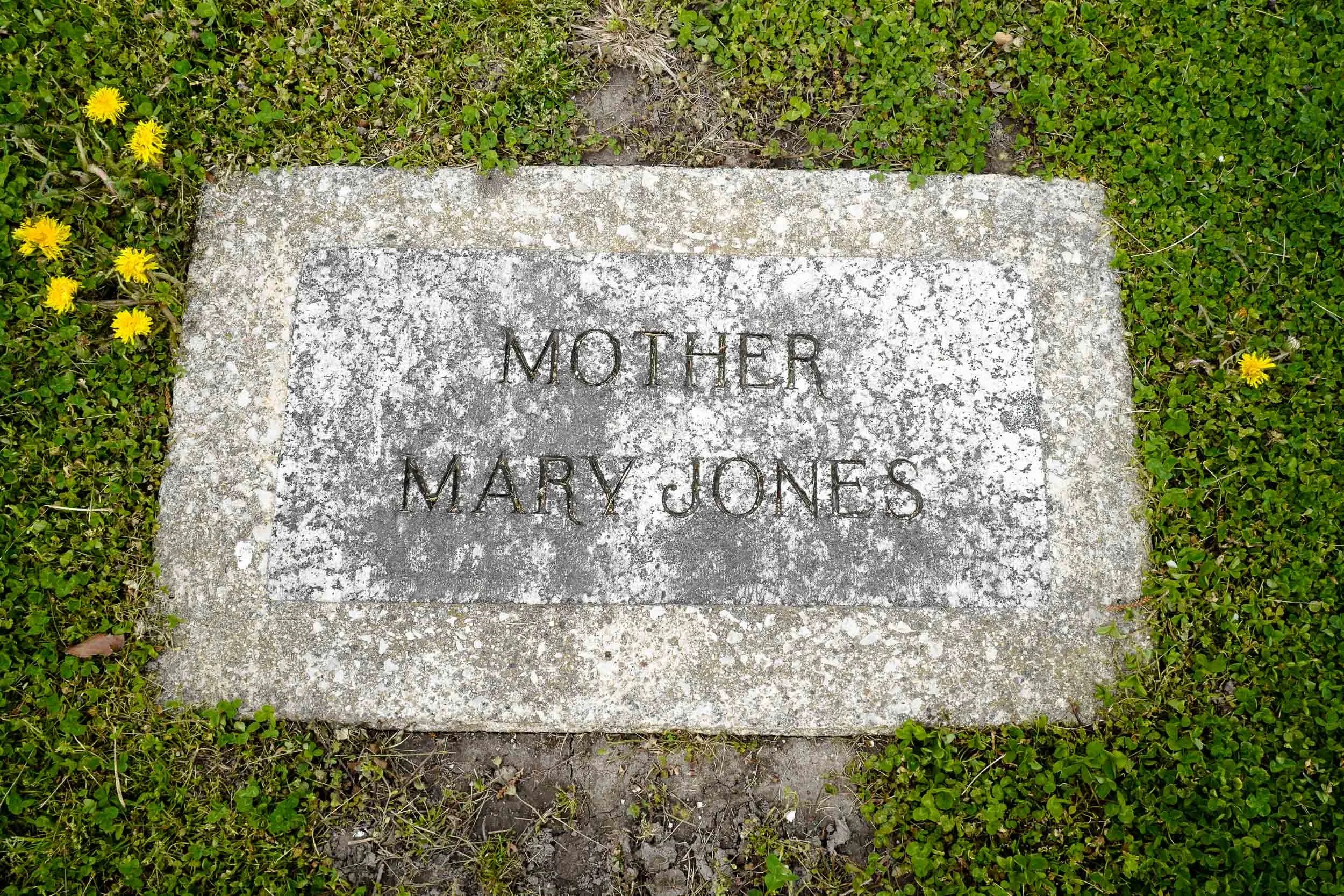
Mary “Mother” Jones—Headstone at the Mother Jones Monument, Union Miners Cemetery. Arguably America’s greatest labor organizer, Mother Jones traveled tirelessly across the country, risking her life to advocate for the nation’s most vulnerable workers and inspiring hope into her nineties. The “Miner’s Angel” was laid to rest beside the United Mine Workers martyrs of the 1898 Battle of Virden. (Mount Olive, IL)
Our Labor History
The freedoms and protections we now take for granted—the weekend, health and safety laws, the right to organize, health and pension benefits, paid leave, restrictions on child labor, the social safety net and the broad expansion of civil rights and freedom of speech—were not simply given to us. They are the hard-won legacy of the Labor Movement, achieved only through the determination and sacrifice of generations of workers who battled against overwhelming odds. Families weathered immense hardship and countless individuals paid the ultimate price in the pursuit of economic justice. These victories forged the American middle class.
Despite the Labor Movement's vast contributions towards creating a more equitable and just society, the knowledge and memory of this crucial struggle is all but absent from the minds of the American people. At a time when workers’ rights are continually being eroded, wealth inequality has reached historic levels, and corporate power remains virtually unchecked, this lack of historical memory is devastating. The absence of this knowledge deprives working people of a connection to their own history and an understanding of how collective action secured the rights now under threat. It also denies the recognition owed to those who sacrificed so much for future generations.
But to say that these historical struggles are entirely forgotten would also be untrue. Thanks to the efforts of dedicated community groups, historians, artists, activists, academics and union members, the American landscape is adorned with a remarkable array of museums, monuments, memorials, sculptures, parks, murals, honorary street signs, artworks, interpretive sites and historical markers that strive to honor, preserve, and educate the public about this important history. Still, many significant sites remain unmarked and forgotten in undesignated intersections, abandoned structures and empty lots—non-sites, silent in their role in the struggle for workers' rights.
The story of the American labor movement is vast, fractured and astoundingly complicated. The story is one of exceptional violence. There is also much that is reprehensible and shameful. Yet there is much more that instills hope and inspiration. This is every working American's history, a history that has been denied, but whose lessons have never been more imperative. How to effectively re-instill these crucial stories into the larger collective memory is a monumental, but essential, challenge.
May, 2025